
Transforming Last-Mile Health Care through Data Use
A health system is only as strong as its ability...
Insights
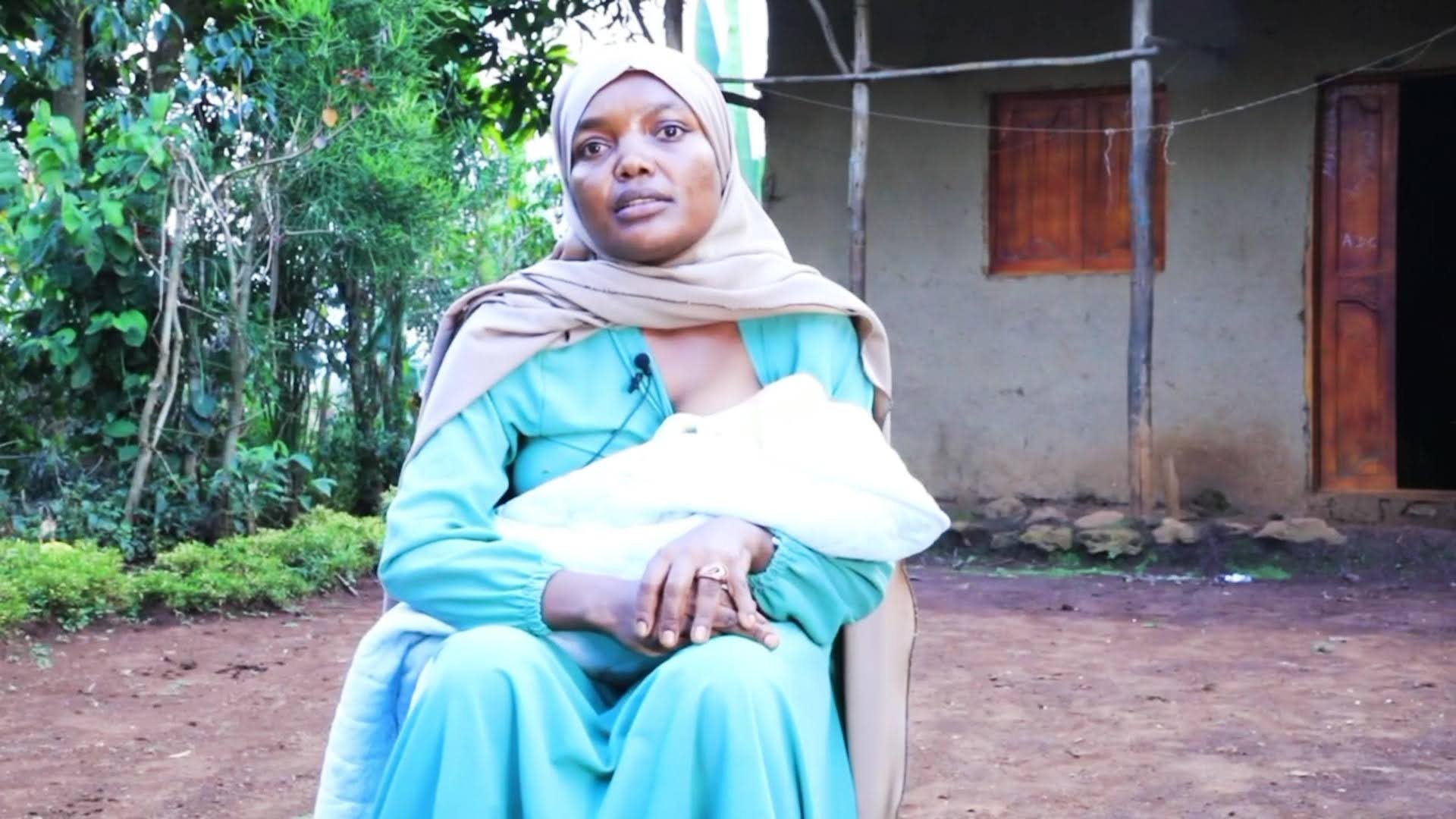
Iftu, a new mother, holds her baby in Seka Chekorsa woreda. Credit: JSI Ethiopia
Ethiopia’s remote agrarian and pastoralist regions are characterized by steep hills and deep ravines. The terrain leaves pregnant women isolated from life-saving care when they are ready to deliver. Historically, this isolation, compounded by deep sociocultural barriers and stigma, led to a cycle of high home births and preventable fatalities, with institutional delivery rates hovering at just 17%.
In 2023, JSI and Amref Health Africa, alongside community health leaders, deployed the Community-Based Life-Saving Maternal and Newborn Health Service Delivery Model (cMNH). cMNH is an implementation research project, targeting 38 vulnerable communities (eight agrarian and 30 pastoral regions with high home delivery rates) and seven health centers, ultimately serving a total population of 210,787. The model relies on village health leaders (VHLs), community volunteers trained to bridge the gap between remote households and health facilities.
Regional health bureaus and woreda health office experts recruited and trained 187 VHLs to map and track pregnant women within their communities and to conduct structured home visits. VHLs maintained contact through three scheduled interactions per pregnancy (two antepartum and one postpartum). During these visits, VHLs managed the advance distribution of commodities, placing life-saving supplies including misoprostol, chlorhexidine, iron and folic acid, and progestin-only pills into the hands of pregnant women. Behavior change communication was integrated, with counseling sessions focusing on birth preparedness, complication readiness, and promotion of facility-based deliveries.
Generally, VHLs worked to strengthen broader system linkages, optimizing referral networks and promoting the utilization of maternity waiting homes, but the model pragmatically includes contingency counseling. If a mother is forced by circumstances to deliver at home, she is instructed on correct protocols for utilizing the cMNH package.
Iftu was identified and registered by her local VHL in her fourth month of pregnancy. She received three VHL visits, an initial two-month supply of iron and folic acid alongside birth-preparedness counseling that emphasised facility birth. Iftu was able to successfully plan for and achieve an institutional delivery at the nearest health facility.
“The home visits, counseling, and information from the VHLs gave me the preparation and confidence I needed for a facility birth,” Iftu asserts.
A teenager, Adanech faced severe familial conflict and isolation in response to her unplanned pregnancy. She was confined to her home. A VHL identified Adanech during routine community surveillance, establishing a confidential channel of care. Though the VHL counseled Adanech on the importance of facility delivery, she recognized the likelihood of a home-based one given her family’s strong desire to keep the pregnancy hidden. The VHL equipped Adanech with the cMNH package and safety protocols.
“Just as the VHL had instructed, I wrapped the baby in a clean cloth, and the umbilical cord was cut using a boiled razor blade. When I took the medication she gave me for post-delivery care, the placenta came out safely. She also gave me an ointment to apply to the umbilical cord, which I used. Today, my child is completely healthy.”
An endline household survey evaluated 1,867 women who delivered during the intervention period, yielding significant improvements in maternal health outcomes:
Our research indicates that the community-based delivery of an integrated maternal newborn health package by trained community agents is highly feasible, safe, and acceptable within underserved populations. By navigating geographic and cultural barriers, the cMNH model offers a scalable, evidence-based approach to improving access to care, optimizing primary health care linkages, and reducing preventable maternal mortality in low-resource settings.
In recent years, Ethiopia’s digital health sector has boomed with...

Substance use and mental health are shaped by what happens...