


Building Lasting Self-Reliance in Vaccine Infrastructure
Billions of vaccine doses are lost annually due to minor...
Insights
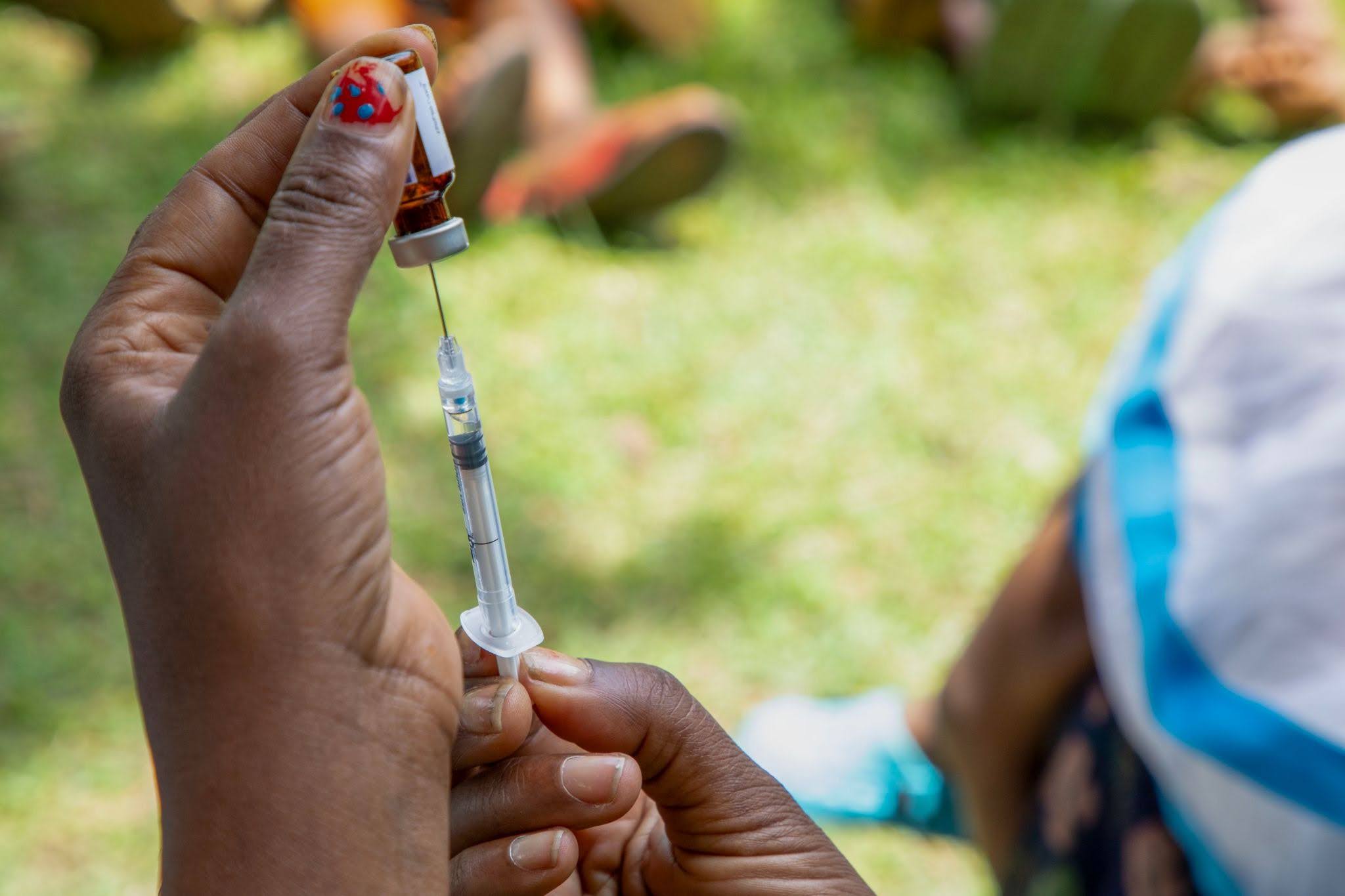
Billions of vaccine doses are lost annually due to minor disruptions in the cold chain. While purchasing and installing state-of-the-art cold rooms is a vital step, the true measure of a resilient health care system lies in its ability to maintain, manage, and adapt this infrastructure over time. Over the past year, JSI, in close partnership with the Ministry of Health and the Ethiopian Pharmaceutical Supply Service, turned management and maintenance into training and policy.
Shifting demographics, urban development, and operational inefficiencies put strain on Ethiopia’s cold chain, necessitating reorganization to better serve over 32 million people. Rather than treating changes needed as mere logistical tasks, JSI used them as a training ground to strengthen local capacity in cold chain management.
The EPSS Mekelle hub, serving more than seven million people across the northern part of the country, was mired in inefficiencies. Upon assessment, the inefficiencies were predominantly caused by scattered equipment. Centralizing two cold rooms and one freezer into a single space could streamline warehouse operations and enhance safety of vaccines and dry supplies. EPSS staff worked alongside JSI to enhance their skills and expertise in dismantling, transporting, and recommissioning cold rooms. This planning and co-execution allowed the act of centralizing two cold rooms to deliver hands-on technical demonstration in how this machinery functions.
JSI and EPSS undertook a more complex relocation at Hawassa, a vital storage facility serving more than ten million people. A government-sponsored road corridor project in Hawassa necessitated the urgent relocation of two walk-in cold rooms. Together with the EPSS, JSI relocated 150 cubic meters of cold storage to a new site, preserving storage standards and vaccine potency without interrupting the cold chain. EPSS led the process, troubleshooting complex technical challenges through JSI coaching. This co-execution model allowed EPSS leadership to direct this major shirt in warehousing due to geographic constraints.
EPSS took complete leadership in Addis Ababa Hub1, the nation’s largest sub-national vaccine store serving a catchment population of 15 million, where five cold rooms and one freezer room were scattered across three separate warehouses. The warehouse’s design forced staff to transport sensitive items across open floors, causing ambient temperatures to climb to a dangerous 38°C. JSI and EPSS consolidated five cold rooms and one freezer room into a single, integrated, and thermally optimized warehouse facility. EPSS cold chain technicians led the process, independently consolidating five cold rooms and a freezer room within weeks while maintaining flawless quality with JSI providing mentorship. Completion of the Addis Ababa relocation in weeks put the growing experience of technicians to the test and resulted in a well-managed complex cold chain relocation.
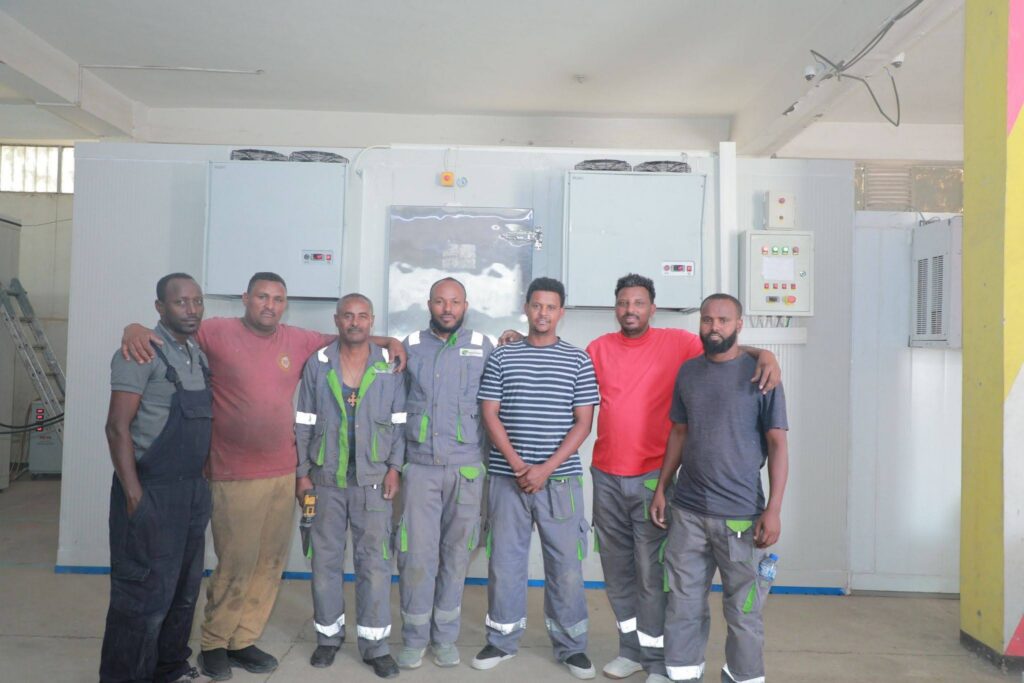
Biomedical engineers and technicians following the successful completion of the relocation project in Addis Ababa. Credit JSI Ethiopia
Teaching while doing, JSI worked hand-in-hand with EPSS to achieve sustainable self-reliance, embedding technical confidence into the national workforce to safeguard Ethiopia’s cold chain. This was achieved through intentional capacity strengthening across these three hubs and using the direct experience to shape supportive policies. By implementing a model where capacity strengthening is iterative, working with the same local technical team across three consecutive projects, their skills are compounded, transforming novice technicians into confident experts. Shaping hands-on field experience into national policy allowed lessons to be transformed into a national protocol to ensure that local capacity remains resilient.
About 80% of Ethiopians live in rural communities, with limited...
Easing Burdens of Health Care Access “It feels as though...