
JSI and Arbor Research to Support Hypertension Care Through Self-Measured Blood Pressure Monitoring in Community Health Centers
Hypertension is a major driver of cardiovascular disease and a...
Insights
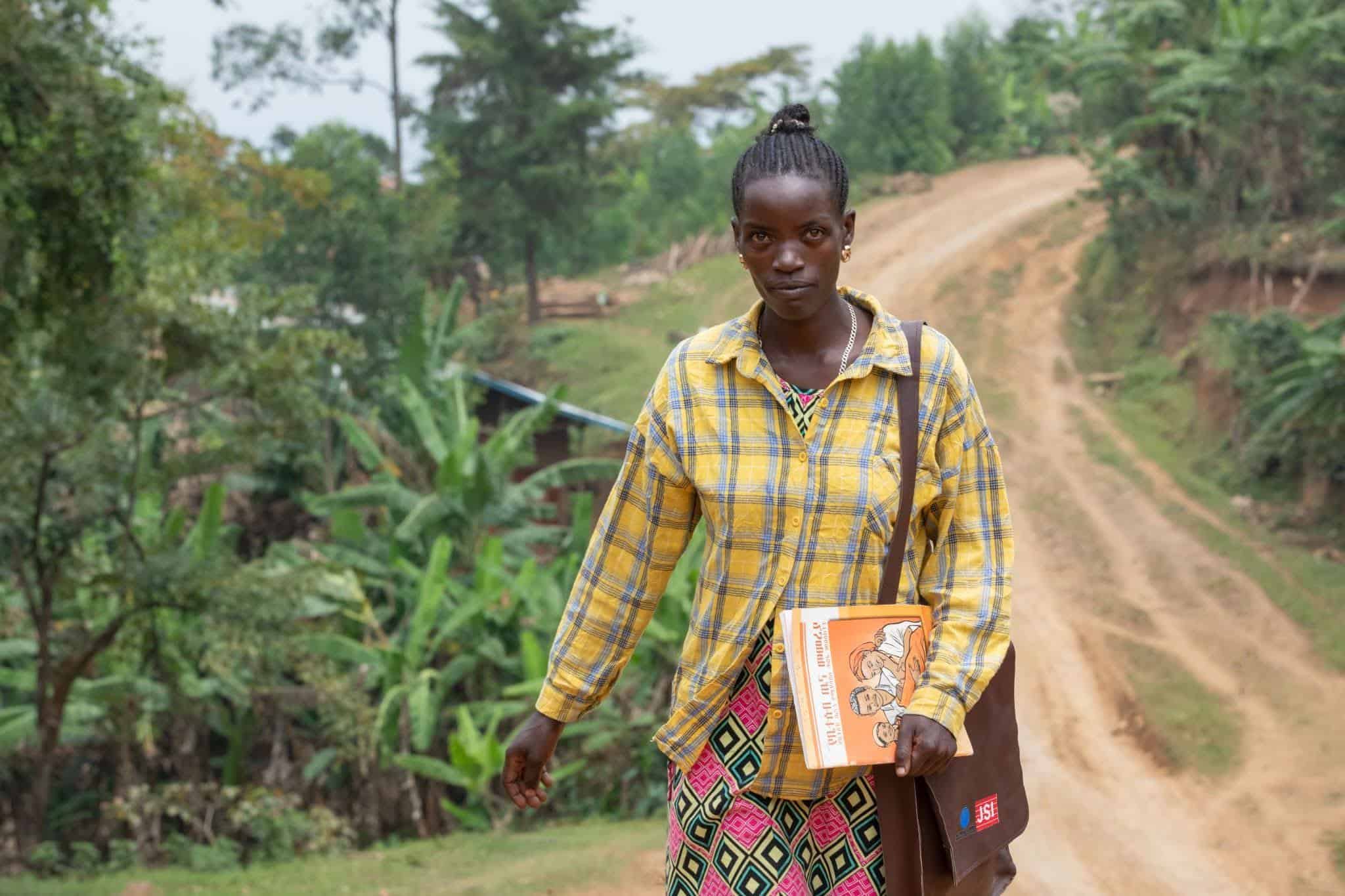
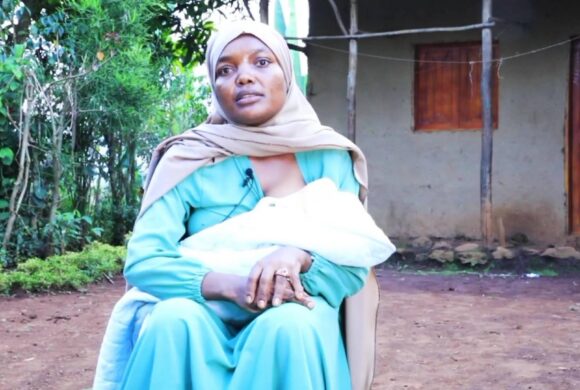
A village health leader in South Bench Woreda, walks through her community to meet with neighbors. Credit: JSI Ethiopia
Community trust is often overlooked as a barrier to accessible care. JSI’s Gates Foundation-funded Improve Primary Health Care Service Delivery project with Ethiopia’s Ministry of Health introduced the village health leadership approach to build trust and connect communities to health services. Village health leaders (VHLs), volunteers recruited from within communities, act as liaisons between their own communities and primary care facilities. Once recruited, JSI works with VHLs to build skills in leading group discussions and community mobilization efforts in a six-day intensive training.
VHLs empower communities to identify their own health problems and lead solutions. They go door-to-door to uncover concerns, provide education, counsel families on hygiene, and refer eligible clients to health posts. They also co-facilitate community meetings where residents rate their experiences with local health services. By aggregating these scores and delivering community feedback to facilities, VHLs ensure that providers remain accountable to the people they serve.
In collaboration with the Ministry of Health, JSI trained, deployed, and institutionalized 8,575 VHLs across 23 woredas. Each kebele (neighborhood) has an average of 13 VHLs, who each serve an average of 83 households. The majority (53%) of these VHLs are female volunteers with primary education.
“I have become a trusted confidant for my community. Previously, expectant mothers might wait until their second trimester to seek care. Now, as their first point of contact, we work together to ensure they arrive at their prenatal visits as soon as possible,” says Zebura Yimer, a VHL in the Amhara Region.
In the Central Ethiopia region of Were Dijo district, VHLs held a community dialogue to assess community members’ comfort with local health services at Hanshikora Health Post, which revealed food insecurity as a growing concern. VHLs directed some of the district’s“Equb savings” (traditional community money savings) to be used for nutrition needs. Fifty-one members contribute biweekly to a fund used to purchase dairy and nutritious food.
VHLs, with Women Development Unions, also coordinated annual maize collections. Every household contributes two kilograms of grain, which is stored at health posts to feed expectant mothers in maternity waiting homes. Maternity waiting homes are located in or near health centers, allowing expectant mothers from remote areas to stay close to health facilities so they can receive skilled birth attendant services when labor starts.
“The community trusts and listens to us and translates the advice we give them into action,” said Gudetu Loliso, a VHL in the Oromia region.
VHLs, as trusted members of the community, can make meaningful connections between communities and primary care. Our analysis showed that in seven woredas, between April 2024 and March 2025, 79% of VHLs were active. Across these woredas, 46% of expected pregnant women received earlier access to ANC, and 21% of zero-dose children were identified for immunization.

Every year, vaccines protect hundreds of millions of people from...
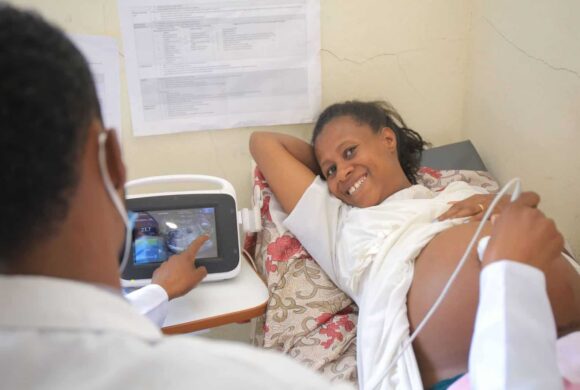
Over 75% of Ethiopia’s population lives in rural, hard-to-reach communities....