
A Conversation Broke Nearly Two Decades of Vaccine Hesitancy in Bayelsa State
Vaccine Hesitancy is Rooted in Real Fear For nearly two...
Insights
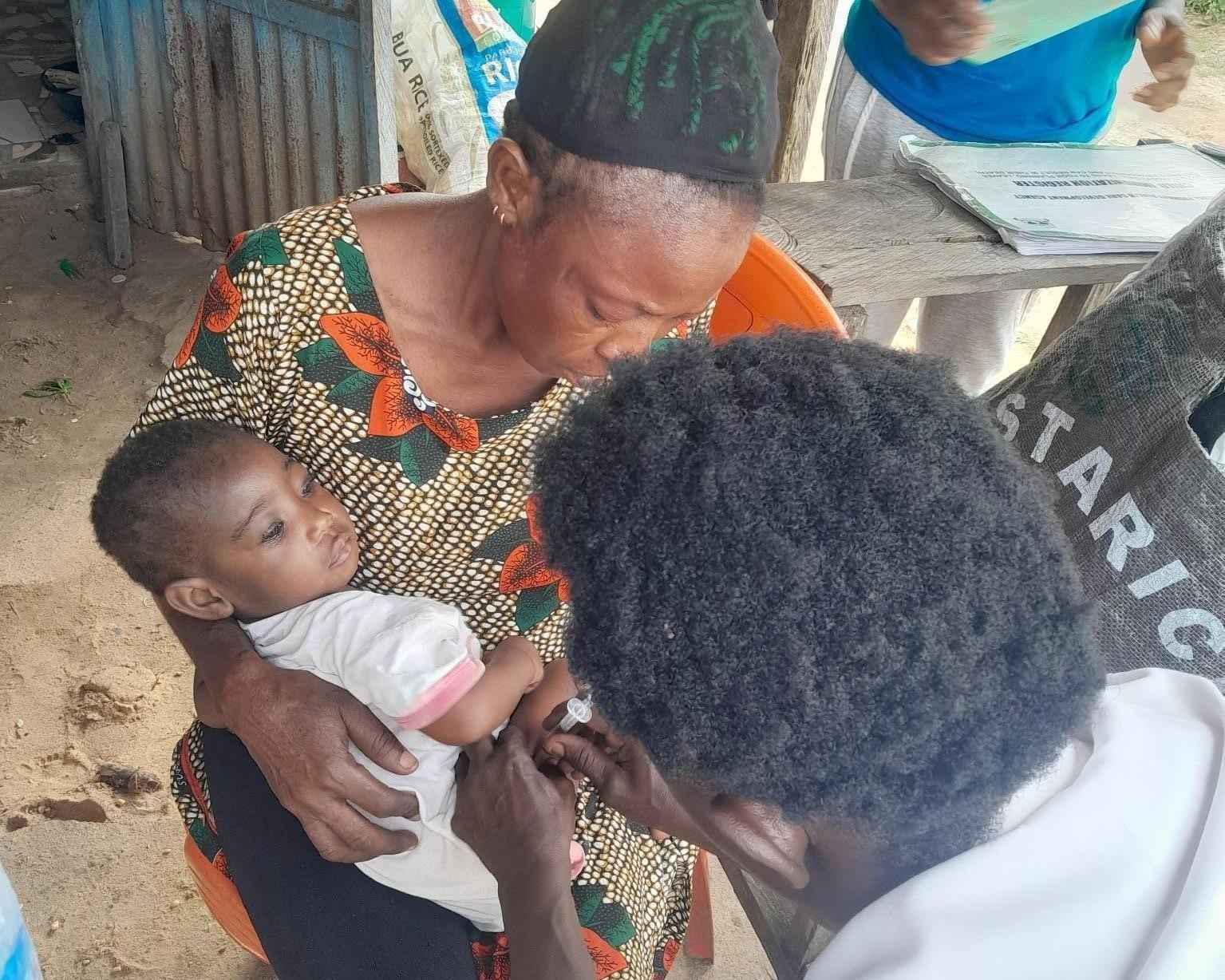
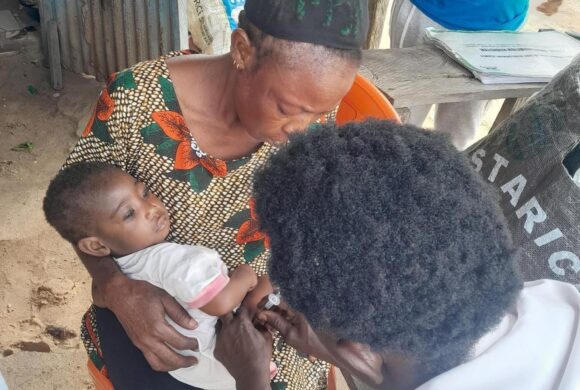
Baby Rejoice is vaccinated and linked to routine immunization services by the JSI-supported vaccination outreach team in Bayelsa State
For nearly two decades, Mrs. Favour refused vaccines for her five children. At age one, her youngest, Rejoice, had never received a single immunization. At an outreach session in Bayelsa State, that longstanding mistrust broke with a single, empathetic conversation.
Mrs. Favour, a hairdresser and mother of five from the Yenegwe community of Bayelsa State, became ambivalent after her first child experienced fever, restlessness, and intestinal distress following vaccination. Though the child recovered, the experience left Mrs. Favour hesitant about immunizations.
On June 10, 2026, during an outreach session conducted by Yenegwe Primary Health Center with support from JSI, Baby Rejoice was identified as a zero-dose child – one that has not received a single vaccination. At this event, the JSI Bayelsa State advocacy, communication, and social mobilization (ACSM) officer approached Mrs. Favour. He listened carefully to her concerns and explained adverse events following immunization, which do not necessarily have a causal relationship to the vaccine. He explained common reactions, danger signs, and appropriate actions caregivers should take when these occur.
Through respectful dialogue, active listening, empathy, and evidence-based counselling, Mrs. Favour made an informed decision to vaccinate Baby Rejoice. The baby received six life-saving vaccines that protect against TB, polio, hepatitis B, diphtheria, whooping cough (pertussis), tetanus, pneumonia, rotavirus, and meningitis. To reinforce caregiver confidence and reduce the likelihood of defaulting, the officer conducted a follow-up home visit the next day and subsequently shared Baby Rejoice’s details with the Yenagoa immunization officer and health facility team for continued support.
“After my experience with my first child, who is 19 years old, I refused vaccines for all my children because I believed immunization was dangerous. Nobody had explained to me that those reactions could happen and what to do about them. Today, they listened and answered my questions. This gave me the confidence to allow Baby Rejoice to be vaccinated.” – Mrs. Favour
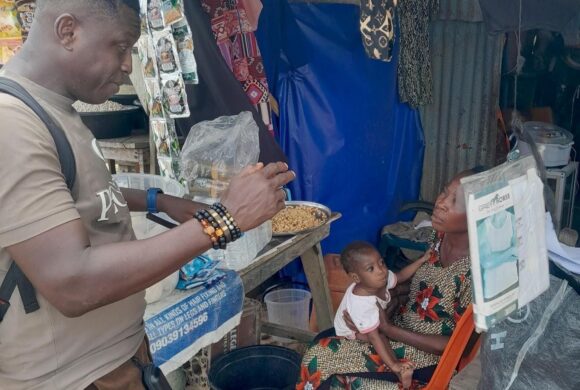
Bayelsa ACSM Officer Esogenwune Nwabueze counsels the caregiver on AEFI, follow-up vaccination visits, and the importance of completing the child’s immunization schedule
Following her enrolment, Baby Rejoice was scheduled to return for her next vaccination in one month, but missed the appointment. The Yenagoa immunization office visited Mrs. Favour, assuring her that the vaccines Baby Rejoice would receive were age-appropriate and that receiving these antigens was an important step toward closing her immunity gap. The baby received her remaining missed antigens, including subsequent doses of Penta 2, polio 2, rotavirus, and malaria, the following month.
“Every caregiver deserves accurate information so they can make informed decisions for their children. Many vaccine refusals are rooted in fear, misinformation, or past experiences. Listening is often the first step toward building trust.“ – Esogenwune Nwabueze, JSI Bayelsa ACSM officer
Although Baby Rejoice missed her scheduled follow-up immunization, coordination between the JSI Bayelsa state mobilization officer and the Yenagoa immunization officer facilitated her return. This underscores the importance of strengthening defaulter tracking, assigning clear accountability for follow-up, and maintaining communication among providers and caregivers to improve immunization completion.
“No child is beyond reach when communities, health workers, and partners like JSI work together. At the Bayelsa State Primary Health Care Board, we remain committed to identifying and reaching every zero-dose and under-immunized child with life-saving vaccines.”— Dr. Williams Appah, Executive Secretary, Bayelsa State Primary Health Care Board
World Education, a JSI Initiative, used youth-led research through consecutive...
JSI’s work in Ethiopia began 30 years ago, with a...