

Institutionalizing Real-time Health Monitoring in Ethiopia
Health program leaders make life-altering decisions every day: the number...
Insights
Health program leaders make life-altering decisions every day: the number of vaccines to distribute; where to allocate emergency funds; where to place health infrastructure. These decisions can improve a country’s quality of life only if the data that feed them are accurate and timely.
The Routine Data Quality Assessment (RDQA) is a national tool designed to evaluate the quality of routinely reported health data and assess its supporting systems. RDQAs can contribute a clear picture of the country’s health care landscape, but until 2025, they were held back by the very inefficiency they sought to solve. Relying on paper-based surveys, RDQAs were time-consuming and prone to manual-entry error.
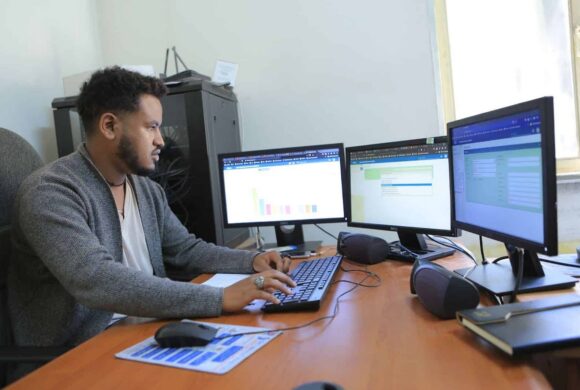
To eliminate paper-based bottlenecks in favor of automated, real-time insights, JSI partnered with the Amhara Regional Health Bureau (RHB) during the second half of 2025. We created a digitized RDQA through Open Data Kit (ODK), an open-source platform enabling form creation, offline data capture, and submission management.
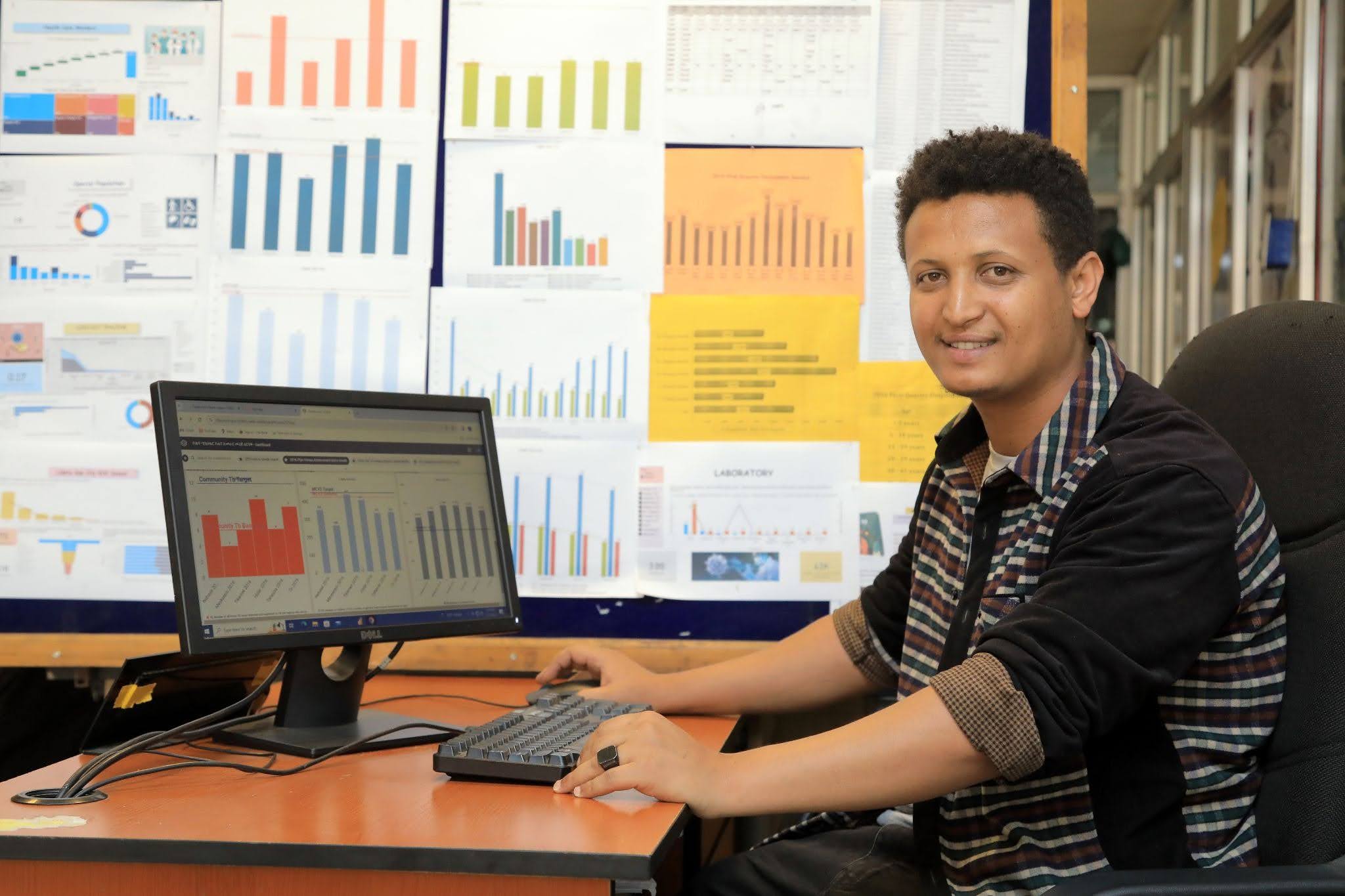
The data captured through the digitized RDQA fed directly into an interactive Power BI dashboard, transforming field metrics into actionable visual intelligence. This instantaneous data flow empowers regional leaders to promptly pinpoint vulnerabilities and launch targeted interventions. To guarantee long-term sustainability, 248 health management and IT professionals were trained through a mentorship model integrated into regional continuous professional development centers.
By transitioning from paper to real-time dashboards in Amhara, aggregation, analysis, and reporting times were reduced from over seven days to less than one, accelerating the insight-to-action cycle by more than 85%. More than 573 health facilities are now using this digital practice, and the proportion of health facilities meeting minimum data verification standards has grown from 59% to 80%.
Beyond time savings, digitized RDQA excels at delivering accurate data that empowers health leaders to make data-driven decisions. For instance, RDQA assessments revealed a shortage of Health Management Information System (HMIS) materials—the standardized data collection system essential for health facility planning and administration. Prompted by this insight, Amhara RHB leadership mobilized 16 million ETB (~$280,000 USD) to rapidly source and distribute 20 essential register types to facilities in need.
The successful implementation in Amhara provides a tested, cost-effective blueprint for regional authorities and international partners looking for impactful investments in digital health. By deploying intuitive digital solutions and automated feedback systems, the Amhara Region has shown that data quality can be elevated substantially while enhancing timely decision-making. To contribute to universal health coverage and data-informed decision-making nationally and globally, this digitized RDQA model stands ready for expansion across Ethiopia’s remaining regional states and broader adaptation throughout sub-Saharan Africa.
Digitization Cannot Stand on Its Own The health sector is...
Despite dedicated efforts, a significant coverage gap existed in Ethiopia’s...