


JSI and Varda5 to Support Obstetric Emergency Readiness through Workforce Development Project
Despite greater spending on health care, the U.S. has the...
Insights

Despite greater spending on health care, the U.S. has the highest maternal death rate among high-income countries. In 2022, there were 22 maternal deaths for every 100,000 live births in the U.S., a rate nearly triple that of other high-income countries (1). For each maternal death, there are another 100 cases of severe maternal morbidity (2). The CDC estimates that 80% of pregnancy-related deaths—those occurring any time between pregnancy and up to one year postpartum—are preventable (3).
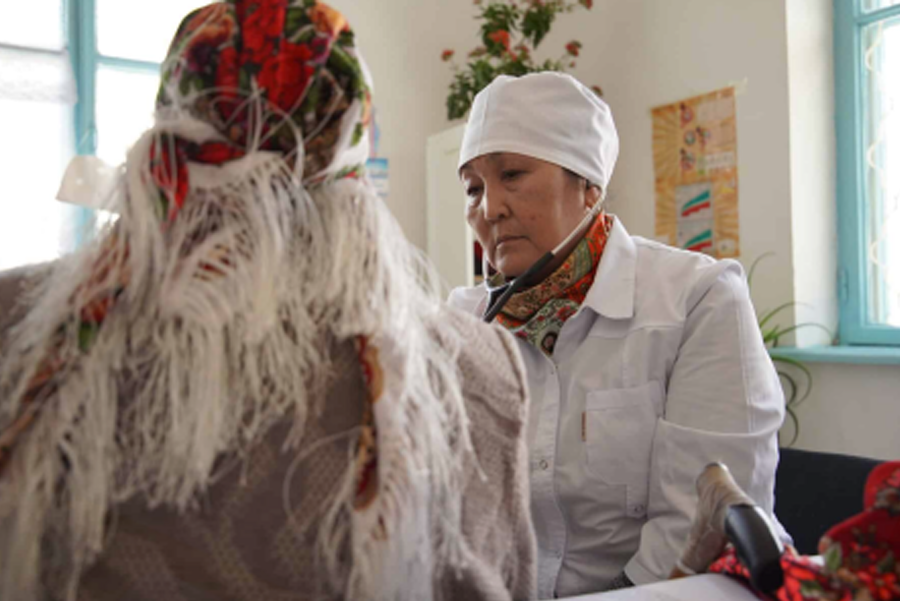
Across the country, more than half of U.S. counties lack a hospital with obstetric services, making it increasingly likely that providers in frontline, non-delivery settings face obstetric emergencies while being underprepared to respond to them. In emergency departments (EDs), critical access hospitals (CAHs), and rural hospitals without dedicated labor and delivery units, staff are often unequipped to handle acute maternal crises for several reasons, including a lack of training.
JSI was awarded a cooperative agreement by the Health Resources and Services Administration (HRSA) to create a new Obstetric Emergency Readiness Initiative (OB-Ready) to address this persistent gap in workforce training and preparedness in non-delivery and/or low-resource clinical settings. JSI is partnering with Varda5, a leader in maternal medical education and scalable simulation. Varda5 is led by Andrea Shields, M.D., M.S., a professor of obstetrics and gynecology at the University of Connecticut Health.
This new project will coordinate closely with the HRSA-funded Alliance for Innovation on Maternal Health (AIM) program, providing an important opportunity to expand AIM’s reach and impact. JSI has managed the AIM Technical Assistance (TA) Center since October 2025 and has nearly 50 years of experience working with HRSA and other federal partners, as well as national, state, and local organizations, to improve the quality of care for mothers and infants.
Jennifer Kawatu, OB-Ready Project Director and a Principal at JSI, noted, “Obstetric unit closures are putting pressure on an already strained system. It is imperative to make sure there is widespread knowledge and ability—especially in non-delivery and low-resource settings—to be able to quickly recognize, stabilize, and coordinate care for pregnant and postpartum women experiencing maternal health emergencies.”
JSI and Varda5 will work together to develop resources to increase staff capacity to manage obstetric emergencies in non-delivery and low-resource settings. Resources will include both interdisciplinary maternal health emergency training (web-based curriculum, simulations, and train-the-trainer) and practical, targeted implementation strategies for use in non-delivery and low-resource settings. JSI will work with partners and experts to disseminate these resources nationally.

In a major step toward transforming national health infrastructure, the...

To receive a full spectrum of family health services at...