
JSI

Where We Work

Sub-Saharan Africa

Improving health and education outcomes in Sub-Saharan Africa

Partnering for Better Health and Education Outcomes in Sub-Saharan Africa

For over four decades, JSI has worked alongside governments, the private sector, and local organizations across more than 30 African countries to improve health and education outcomes.

We address complex health challenges by working from the policy level to the community, optimizing supply chains, scaling digital platforms, and improving health program delivery. Our education programs span early childhood to adult learning and provide youth with the skills needed for future livelihoods. By grounding our work in country realities and sustainable approaches, JSI brings partners together to drive regional health and education impact.
Profile

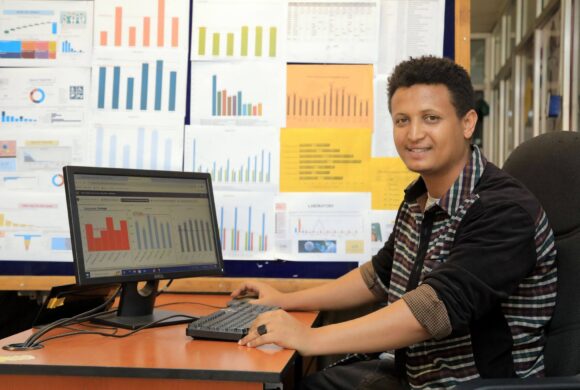
Gebeyaw Zeleke

Public Health Emergency Management Advisor

“We are supporting the transition to the 7-1-7 system to revolutionize outbreak response: seven days to detect; one day to notify; seven days to respond. Through multisectoral coordination, Ethiopia now contains emerging threats with unprecedented speed.”

Gebeyaw Zeleke on containing threats with the 7-1-7 system.

Profile

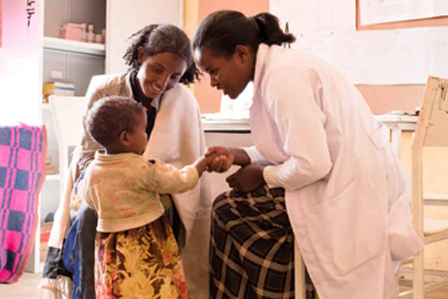
Caitlin Madevu-Matson

Monitoring, Evaluation, Research, and Learning Practice Director

“Investment in digital tools for pandemic response ultimately supported health systems beyond the threat. In countries like Burkina Faso, Indonesia, Mali, and Suriname, this infrastructure now serves as a permanent foundation for broader health resilience.”

Caitlin Madevu-Matson on digital infrastructure for broader health system resilience.

Profile

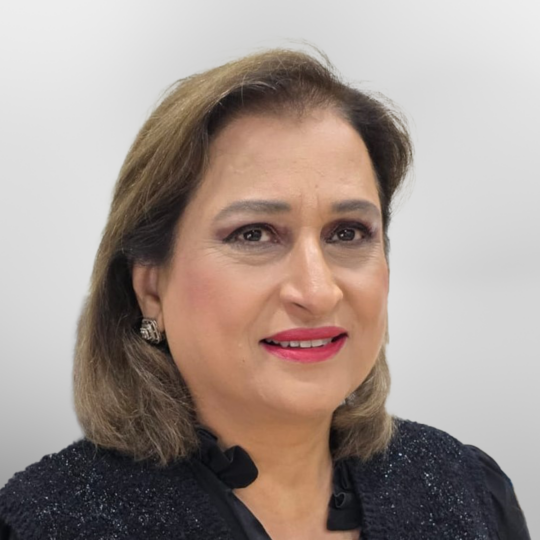
Edward Wilson

Supply Chain Expert | EVP International Division

​​”The alignment of policy, technology, and consumer demand has created a tipping point for barcode technology. By incorporating data standards across the value chain, we are building traceability into health systems. The benefits of this technology will be felt everywhere.”

Edward Wilson on the transformative impact of barcode technology. Vaccine Insights interview

Strengthening Rural Resilience in Northern Mozambique

Through the MozNorte project, World Education leads a consortium of organizations supporting the implementation of the Community Driven Development Fund to improve access to livelihoods and natural resource management in rural Northern Mozambique. We work in collaboration with UNOPS and Mozambique’s National Fund for Sustainable Development (FNDS) to strengthen community governance and facilitate environmentally centered livelihood and infrastructure projects. The initiative aims to reach 108 rural communities, representing up to 27,000 families, with a focus on youth and displaced populations to empower vulnerable households and reinforce resilience in one of the region’s most fragile areas.

Improving Education Quality and Reducing Child Labor in Côte d’Ivoire

Building on a long-term partnership with Mondelēz International, World Education is scaling up implementation of the CocoaLife Quality Education Project to improve education and reduce child labor risks in Côte d’Ivoire. After successfully piloting the approaches in 15 communities, World Education is strengthening School Management Committees (COGES) across the Gbôklé, Nawa, San-Pedro, and Loh-Djiboua regions in 65 cocoa-growing communities. Through our COGES strengthening models, which the government has adopted for national use, we train committee members, coach district education advisors, and support community involvement strategies that sustain educational improvements.

Expanding Health Access and HIV Prevention in Zambia

JSI partnered with Zambia’s Ministry of Health and local partners to improve access to quality, integrated health services and accelerate progress towards HIV epidemic control. We provided HIV treatment services to over 80,000 people, achieving 98% viral suppression. By supporting the rollout of oral PrEP and CAB-LA to expand prevention choice and access across over 200 clinics and community platforms, 194,000 new PrEP users enrolled nationally over three years. To strengthen pandemic preparedness, we equipped teaching hospitals with liquid oxygen systems to improve critical care capacity and supported the national COVID-19 response, contributing to vaccination coverage reaching 70% of eligible Zambians.

JSI
Privacy Overview

This website uses cookies so that we can provide you with the best user experience possible. Cookie information is stored in your browser and performs functions such as recognizing you when you return to our website and helping our team to understand which sections of the website you find most interesting and useful.