Enhancing Women’s Agency Drives Maternal Health Service Uptake in Rural Ethiopia
story

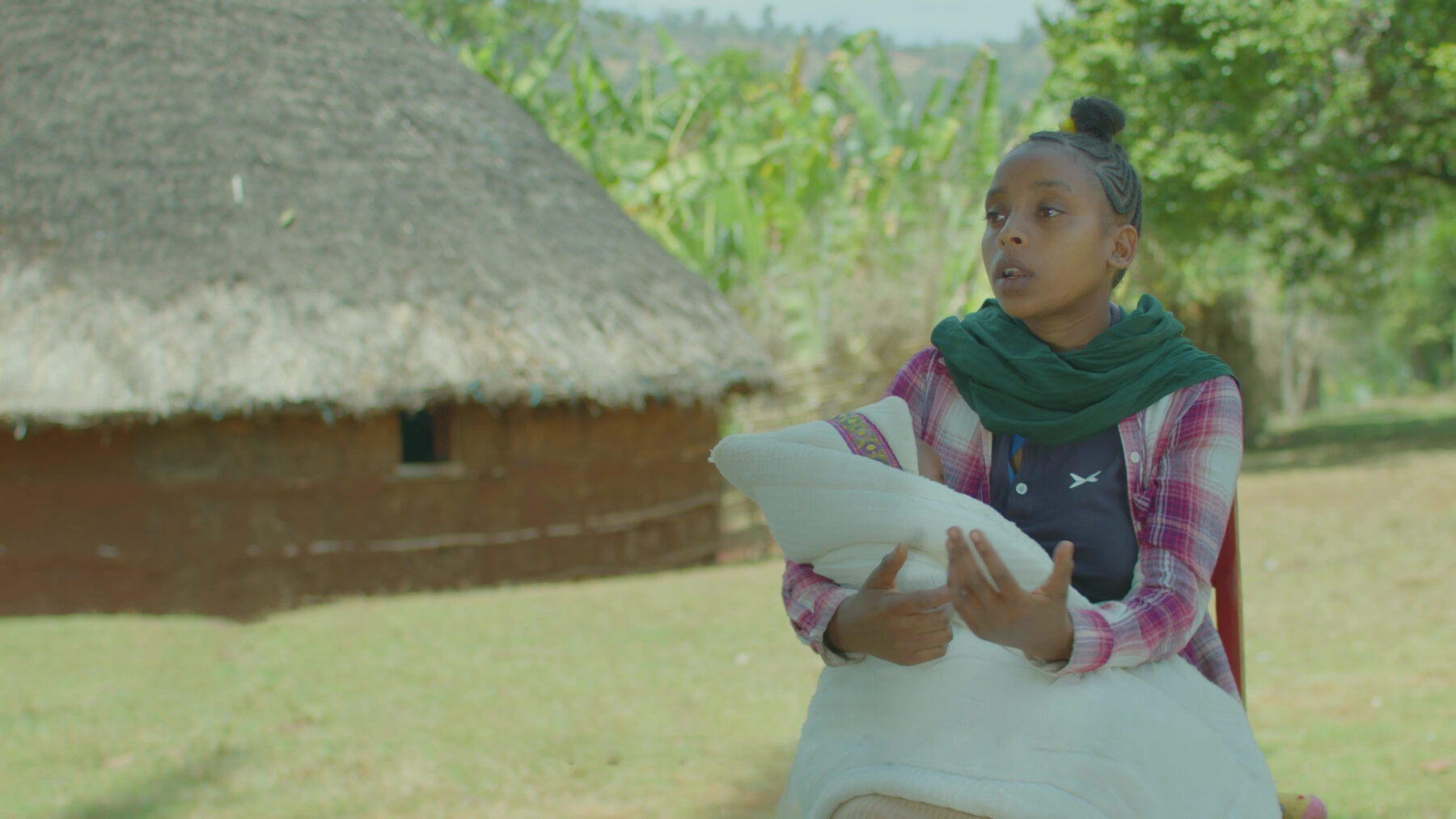
Karote Markos, a new mother in Ethiopia’s Sidama Region. Credit: JSI Ethiopia
Karote Markos, a young mother living in Ethiopia’s Sidama Region, experienced a late-term miscarriage in a prior pregnancy. Today, she’s a new mother to a healthy child – grateful but contemplating how different these two pregnancy journeys have been.
“Losing my baby at eight months during my first pregnancy left me traumatized. But for my next, I did things differently. I started antenatal care [ANC] follow-ups early and took all my vaccinations up until nine months. This wasn’t the case in my previous pregnancy.”
When women lack the decision-making power to choose how, when, and where to seek care, maternal health challenges can turn fatal. To break this cycle, JSI’s Improve Primary Health Care Service Delivery project, with Ethiopia’s Ministry of Health, introduced a participatory learning and action (PLA) approach. Through a co-creation workshop involving the Ministry, regional health bureaus, and community health workers, volunteers were trained to launch the initiative. Membership opened to all, but community health workers sought pregnant women, adolescent girls, and marginalized women in their own communities to participate.
Now an active member of the PLA, Karote attends monthly meetings where she learned about the importance of ANC, pregnancy tracking, and ensuring skilled birth attendants at her delivery. “After joining PLA, I received the information I needed,” Karote asserts. “I attended ANC visits and safely gave birth at a health facility.”
The PLA groups equip women of reproductive age with the knowledge and confidence to overcome barriers to safe maternal and child health outcomes. During monthly sessions, a facilitator guides participants through a cycle divided into four key phases: identifying problems, analyzing root causes, developing and implementing solutions, and collectively evaluating progress. To ensure inclusivity, facilitators (village health leaders) use visual aids like picture cards. For instance, they’ll have participants place physical markers, such as pebbles, onto images representing their most pressing health challenges – a method that allows women with lower literacy levels to participate.
PLAs have taken tangible, collective action. In Sidama, the group successfully advocated for and helped build nearly 5 kilometers of road, effectively resolving a severe transportation barrier for pregnant women. The PLA also fortified maternity waiting homes, which allow expectant mothers from remote areas to stay close to a facility as their due date approaches.
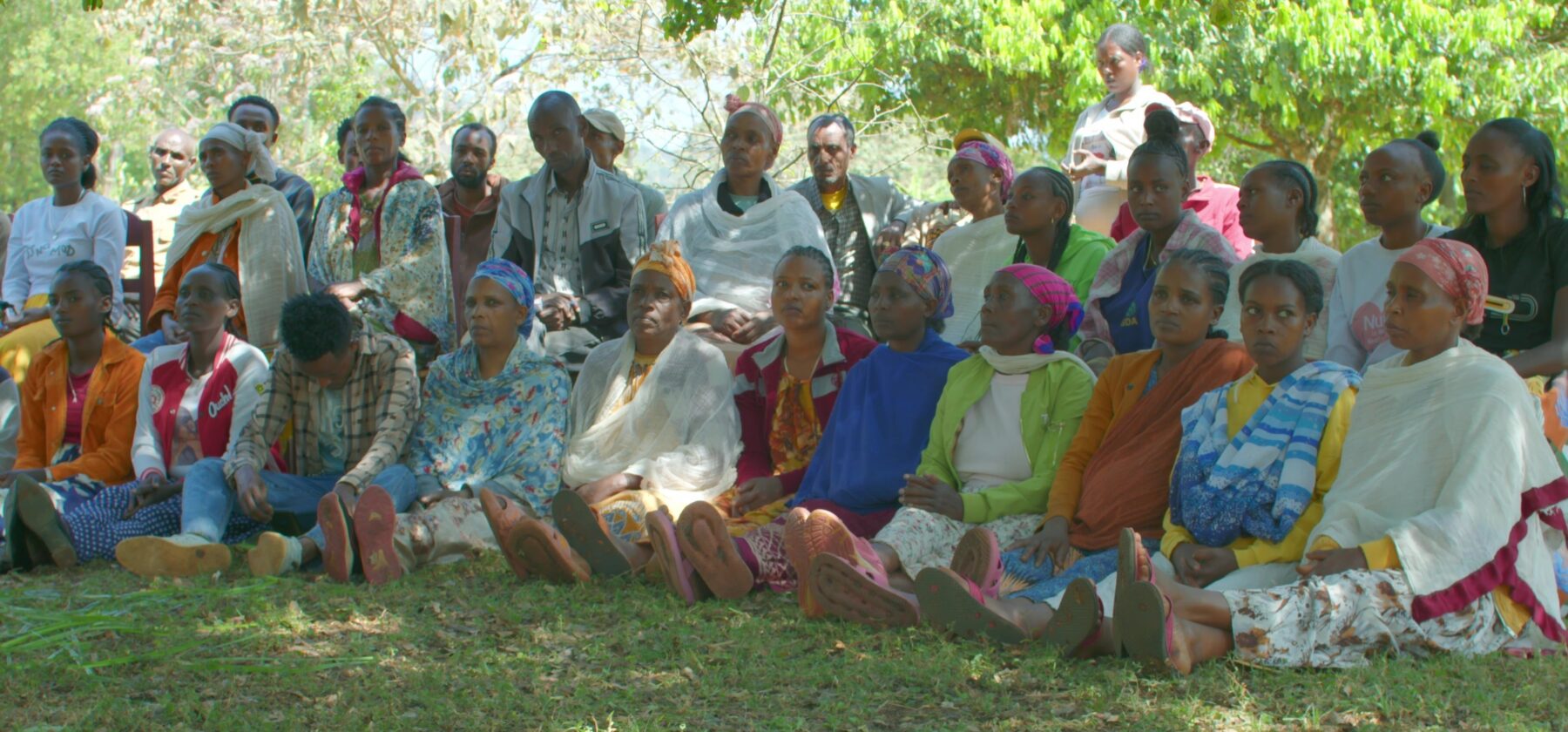
Between March 2024 and September 2025, the PLA strategy was rolled out across 41 kebeles (neighborhoods) in the Afar, Somali, and Sidama regions of Ethiopia. A total of 265 facilitators were trained (123 in agrarian and 142 in pastoral settings), resulting in the formation of 242 PLA groups. Notably, women made up 62% of the trained facilitators, anchoring leadership within the target demographic. According to a formative assessment and community and household survey of mothers:
PLA is connecting rural communities to health care delivery in a meaningful way. For Karote, the trauma of her past has been replaced by a sense of agency, shared by thousands of women across Sidama, Afar, and Somali. By turning isolated patients into a unified network of advocates, this work is proving that the most meaningful interventions are the ones that communities build for themselves.
We strive to build lasting relationships to produce better health and education outcomes for all.