TB By the Numbers
viewpoint

Tuberculosis remains one of the world’s most persistent global health challenges—yet it is preventable and curable. For over 30 years, JSI has partnered with governments and communities to reduce the threat of TB through tailored programming in more than 25 countries. From the first point of contact to lasting health system reforms, JSI fights TB across the care cascade.
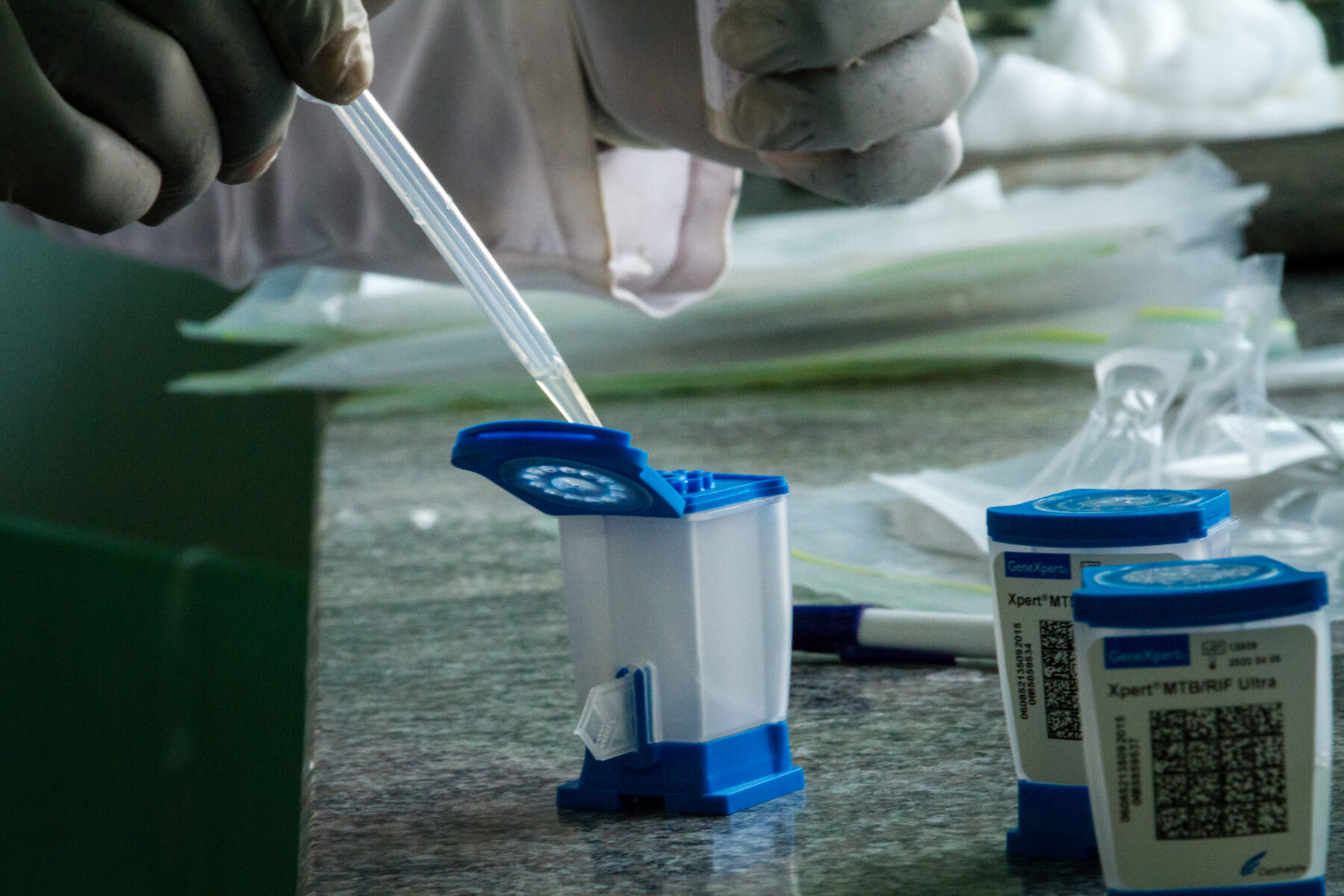
We help countries find and diagnose TB. When countries extend diagnostic services to their communities, they can better link people to appropriate TB treatment or prevention care. In the last four years, with support from multiple funders, JSI-supported programs have screened over 1.6 million people and supported over 50,000 rapid molecular TB tests using GeneXpert machines, expanding access to accurate diagnosis often thanks to intensified community engagement and enhanced health information systems for TB surveillance.
In Uganda, JSI supported improvements in laboratory networks and reporting systems to expand access to rapid molecular diagnostics and improve TB detection. Results include strengthened national laboratory networks for TB diagnosis, expanded access to rapid molecular TB testing, and improved TB surveillance and reporting through integrated data systems. JSI-supported programs conducted over 40,000 GeneXpert tests and contributed to the identification of 18,502 cases of TB over six years.
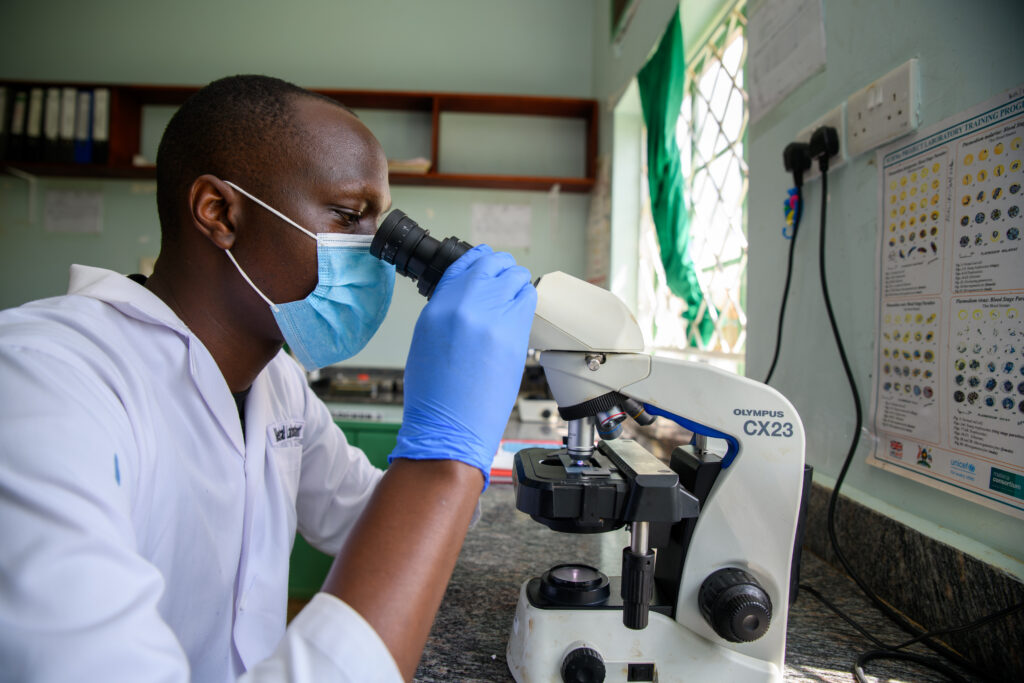
Lab technician in Uganda. Photo credit: JSI
Once identified, people with TB are linked to treatment as efficiently as possible, and supported to adhere to treatment, improving outcomes and reducing the risk of multi-drug-resistant TB. Our programs have initiated over 20,000 people on TB treatment. We also support health systems to deliver care closer to people’s homes and retain them in care, cascading impact for years to come. In the last five years, we have trained over 10,000 health care workers to find, diagnose, and treat people with TB.
In the Kyrgyz Republic, JSI supported the scale-up of TB case management to primary health care facilities and the introduction of patient-centered care tools between 2019 and 2024. This resulted in the expansion of TB case management to additional primary health care facilities and increased treatment access closer to patients’ homes. This improved patient retention and enabled 95% of drug-resistant TB patients to start treatment in 2024. Nationally, loss-to-follow-up among DR-TB cases declined from 23% to 14% over this period.
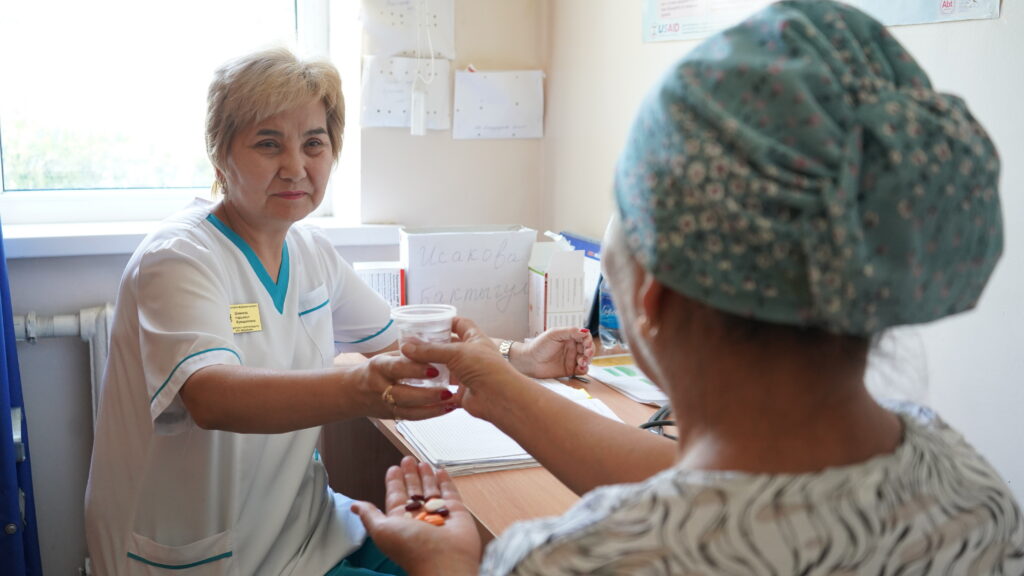
A family nurse at a primary health facility gives a daily dose of TB drugs to a person with TB at a Family Medicine Center in Bishkek, Kyrgyz Republic. Photo credit: Aibek Chakiev for JSI
In addition to being curable, TB is also entirely preventable. Our programs prioritize screening those in close contact with people living with TB and getting those at risk on preventative treatment. Across our programs, we have initiated over 126,000 people onto TB preventative therapy (TPT), averting countless additional TB cases.
In Zambia, JSI supported the integration of TB services with community and facility service delivery platforms to increase detection and prevention. This resulted in increased TB screening and testing coverage in supported areas, expanded TB preventive treatment among priority populations, and strengthened linkages from screening to diagnosis and treatment. JSI supported TPT initiation for over 100,000 people across our programs in Zambia between 2022 and 2024.
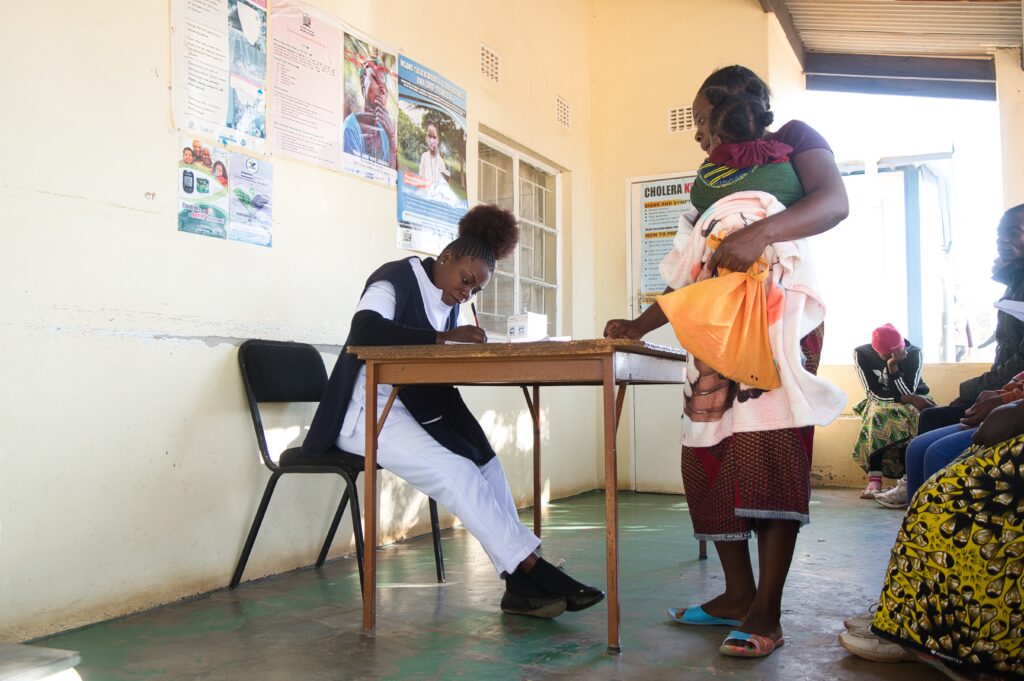
A health care worker screens clients at an integrated health clinic in Zambia. Photo credit: JSI
At JSI, we focus on creating a lasting impact. In addition to directly preventing, treating, and curing TB, we work with governments to establish interventions that can be locally owned and continued beyond project lifecycles. These interventions strengthen the systems that make national TB responses sustainable, including digital surveillance systems, community health delivery mechanisms, laboratory networks, data platforms, and integrated primary health care systems. In collaboration with ministries of health, we have deployed over 15 digital TB information systems, including digitized electronic TB patient record databases, integrated disease surveillance platforms, and linked pharmacy, supply chain, and laboratory systems. More than 10 countries have integrated JSI-supported initiatives into their ongoing national plans and budgets to sustain the progress achieved through these projects.
In Indonesia, JSI worked with the Ministry of Health to make health data for primary care more available across TB and other priority health programs, including maternal and newborn health, HIV, TB, and zoonotic diseases. Transforming the integrated primary care data ecosystem cut the data entry burden by 50% for suspected TB case data entry across 100 health facilities.
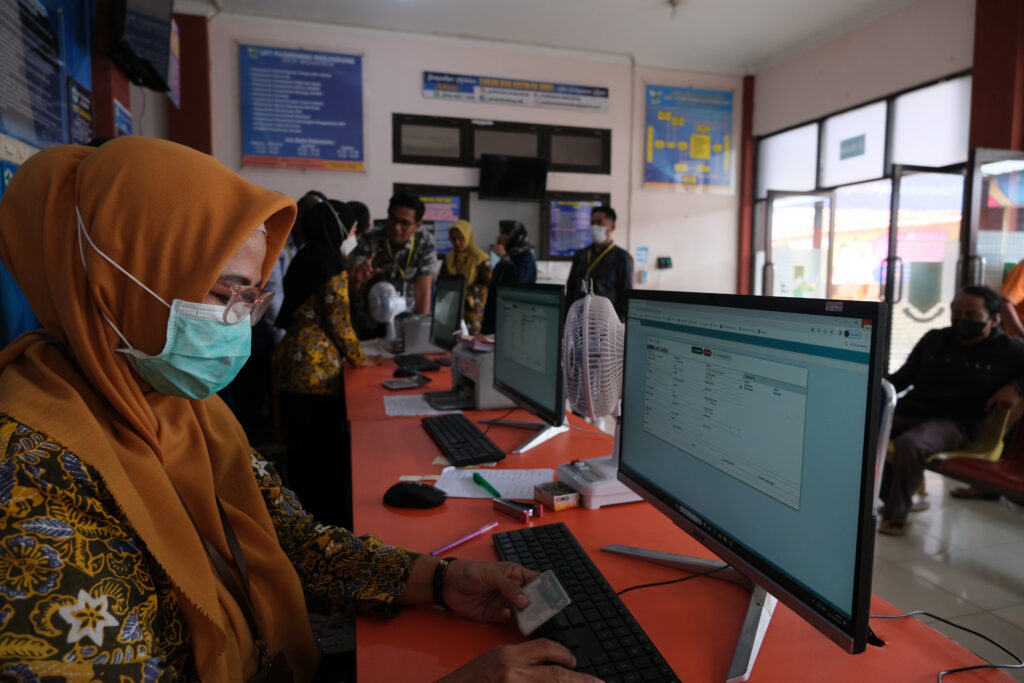
Health care worker entering data in Indonesia. Photo Credit: Dwi Prafitria for JSI
As we recognize World TB Day and reflect on this year’s theme, “Yes! We can End TB! Led by countries. Powered by people,” we are reminded that the millions of individuals screened, diagnosed, and treated across programs with JSI support are not just statistics; they are parents returning to work, children staying in school, and communities thriving. The tools and systems to end TB already exist, but the global community must continue to invest in the frontline clinicians, lab technicians, and community health workers who power progress. When we put people first, we can finally end TB.
We strive to build lasting relationships to produce better health and education outcomes for all.