


Rural Lifelines, Part 3: Transforming the Health Care System
Across the country, short-term clinical solutions like workforce surge support...
Insights
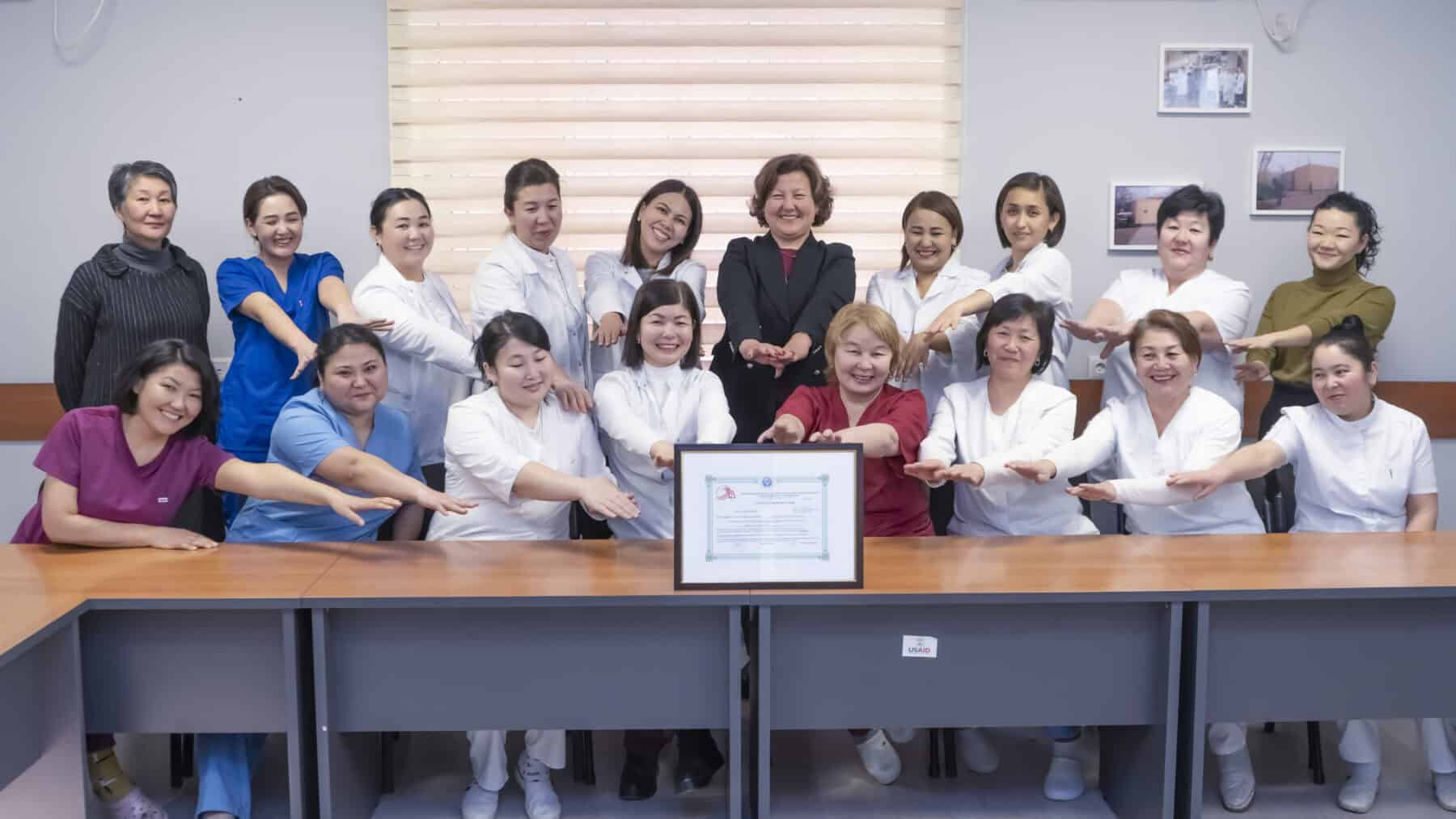
The National Reference Laboratory team celebrates receiving ISO 15189 accreditation. Credit: Aibek Chakiev.
In a historic achievement for the region, the National Reference Laboratory (NRL) of the Kyrgyz Republic has become the first internationally accredited tuberculosis (TB) laboratory in Central Asia.
Accredited under ISO 15189:2012, this certification represents a major step towards ensuring accurate, timely, and high-quality TB diagnosis and improving health outcomes for people affected by TB across the country.
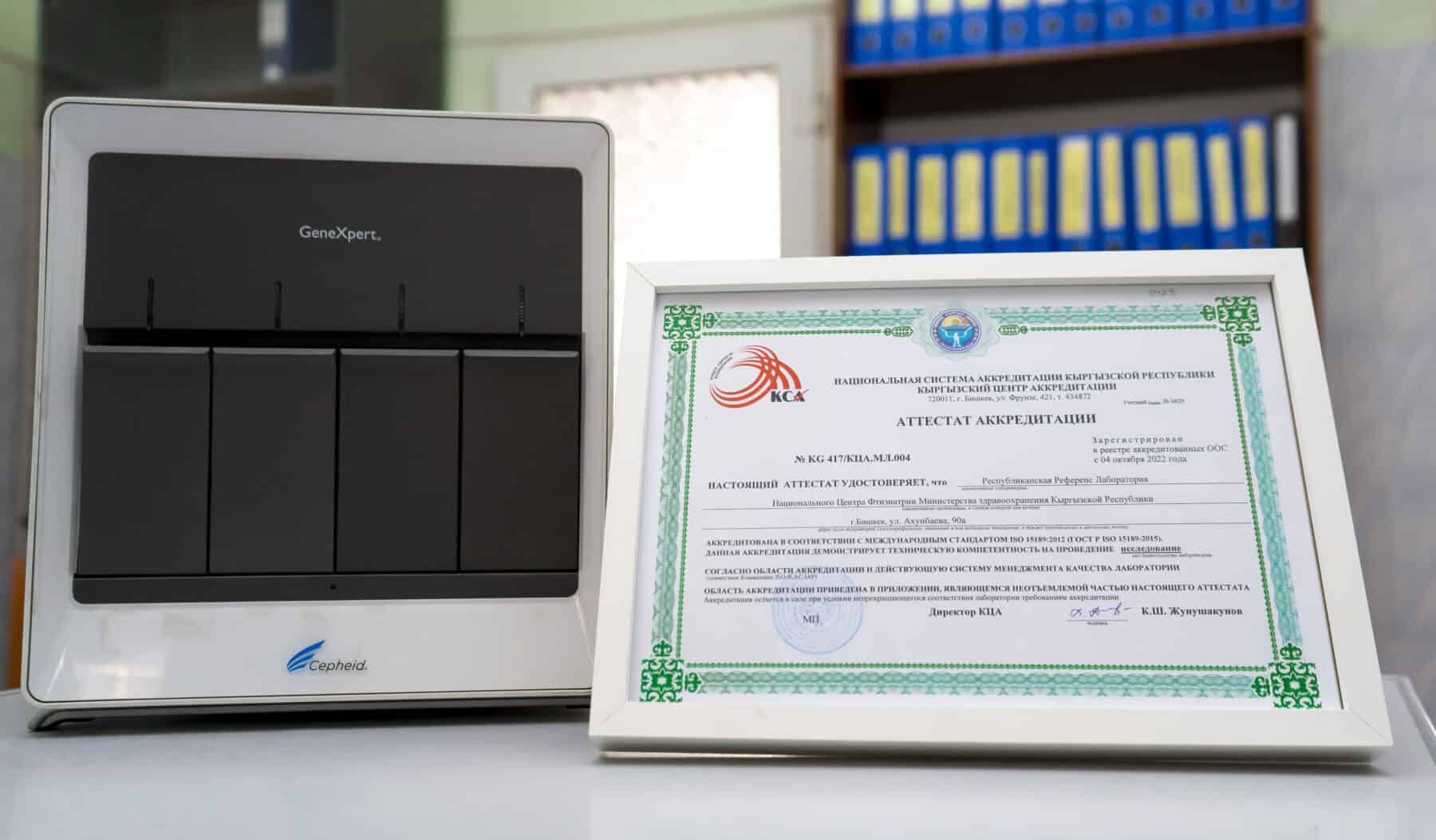
The official accreditation certificate is displayed alongside molecular testing equipment. Credit: Aibek Chakiev.
ISO 15189 accreditation validates that the NRL meets the highest international standards for quality and technical competence. It covers the entire diagnostic pathway, from test selection and specimen handling to timely reporting of results that guide clinical care.
The NRL’s quality management systems, fully aligned with WHO and Supranational TB Reference Laboratory (SRL) standards, achieved 100% concordance in external quality assessments and now provide a foundation for national laboratory excellence.
The biosafety cabinets at the NRL were tested and certified as part of the ISO 15189 accreditation process. Routine annual calibration, testing, and certification of the biosafety cabinets ensure sustained biosafety and diagnostic reliability across the TB laboratory network.
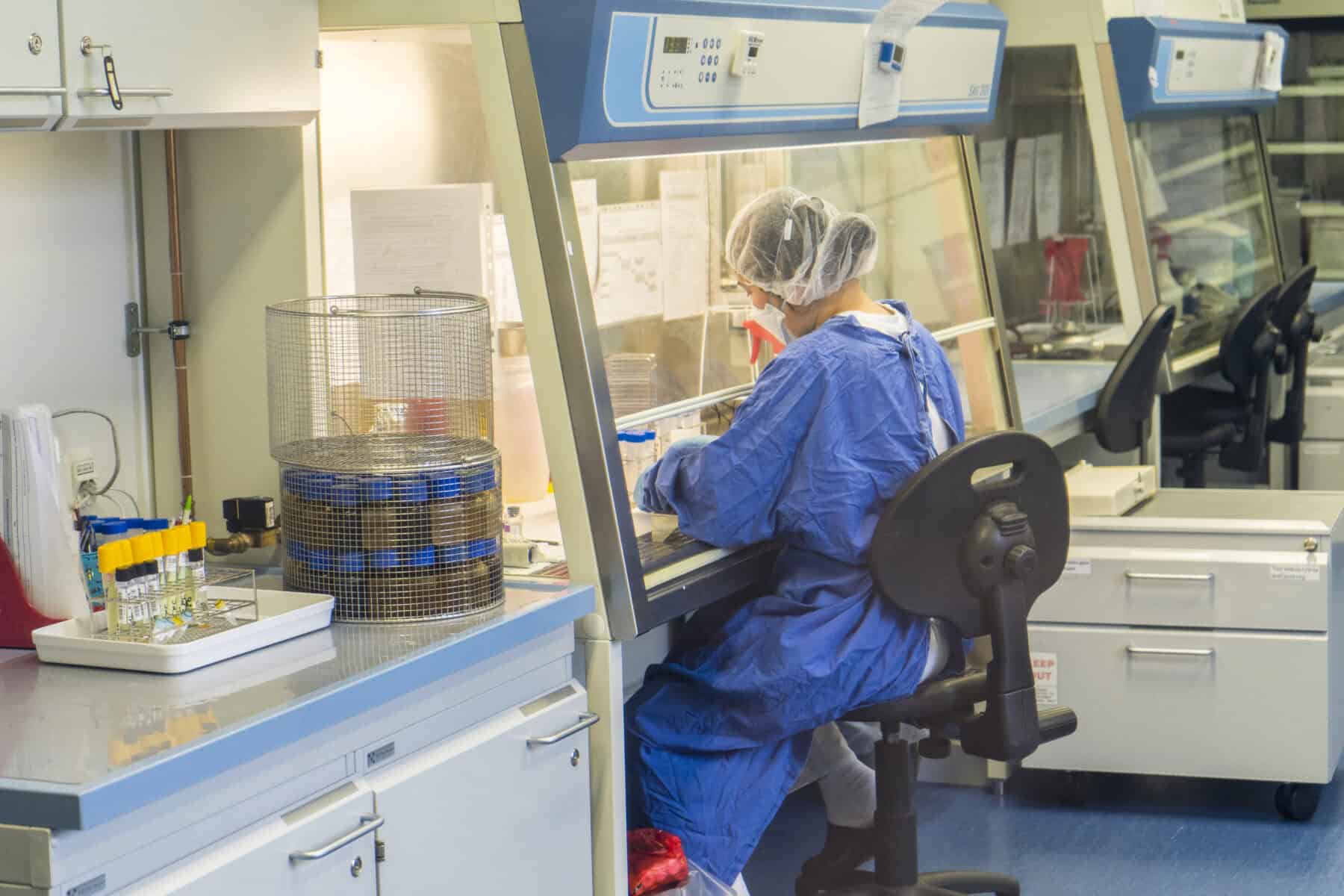
Laboratory specialists at the NRL conduct tuberculosis culture and drug susceptibility testing in certified biosafety cabinets. Credit: Aibek Chakiev.
Achieving this milestone took nearly a decade of persistent effort, capacity building, and partnerships. The NRL team received extensive training, mentoring, and technical support from the U.S. government through the Cure Tuberculosis project and from the World Health Organization Regional Office for Europe.
Between 2019 and 2024, 149 laboratory specialists were trained in biosafety, molecular diagnostics, and laboratory management, with an additional 50 professionals trained in 2025 on biosafety and laboratory equipment maintenance and calibration. When including clinicians trained in TB case management, the total number of people trained nationwide exceeds 2,500. These training sessions—many conducted amid the COVID-19 pandemic and requiring laboratory support for COVID-19 testing—strengthened laboratory coordination, sputum collection and transport, and adherence to the national diagnostic algorithm, reinforcing the Kyrgyz Republic’s commitment to laboratory excellence and patient-centered care.
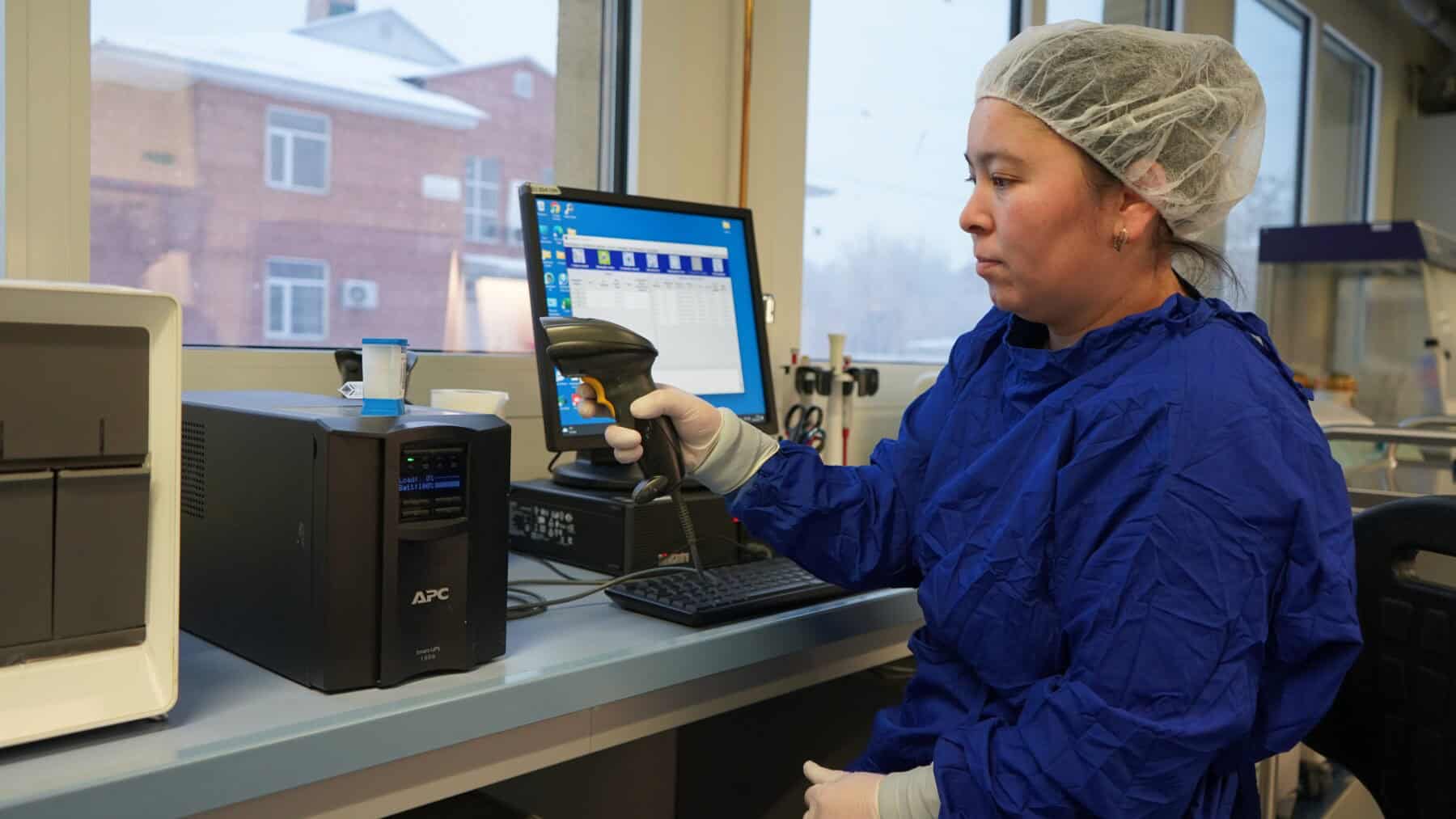
A laboratory specialist Nurjamal Jakypbekova registers a stool sample to conduct molecular TB testing using equipment linked to real-time data systems. Credit: Aibek Chakiev.
Modernization and digitalization of the Kyrgyz Republic’s TB laboratory system have significantly improved diagnostic efficiency and quality. Through the Cure Tuberculosis project, the National TB Program optimized the laboratory network in pilot oblasts and Bishkek by designating the main laboratories for GeneXpert (GX) testing and linking peripheral facilities via an institutionalized TB specimen transport system. This network ensures timely specimen delivery—98% within 72 hours—and enables full access to rapid molecular testing and complete implementation of the diagnostic algorithm, including culture and drug susceptibility testing.
The project also introduced the Laboratory Data Management Information System (LDMIS), integrated with the national TB Medical Information System, and rolled it out across all TB and primary-level facilities providing TB services nationwide. The LDMIS facilitates real-time transfer and reporting of diagnostic results from laboratories to clinicians, significantly reducing turnaround times: 82% of GX results are available within 24 hours at the lab level, and 79% reach clinicians within the same timeframe. For patients, this means earlier diagnosis and initiation of treatment and better treatment outcomes. The LDMIS captures and links test results to individual patient records, reducing errors, loss, and duplication of data. Diagnostic turnaround indicators can now be calculated and monitored in real time.
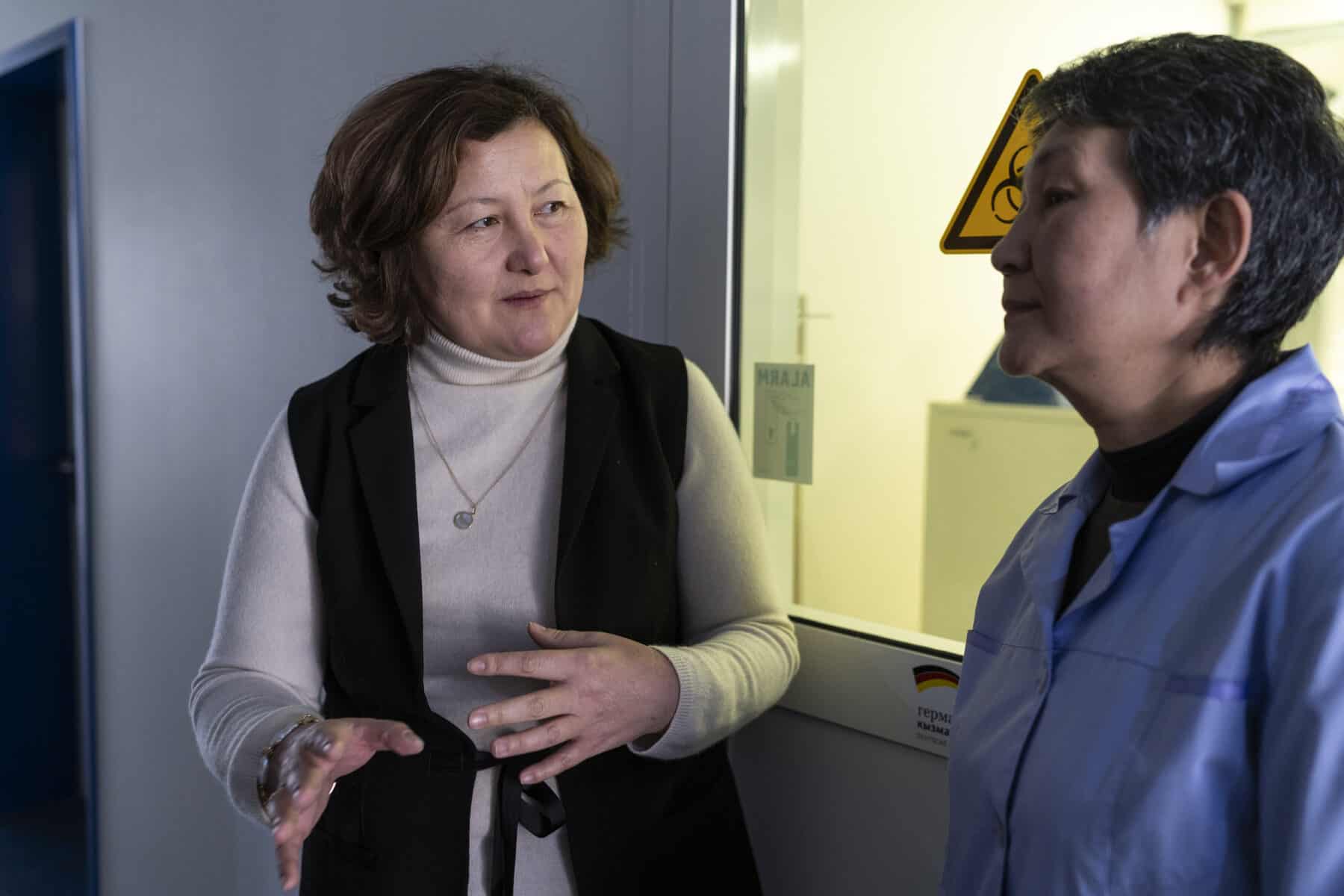
Dr. Gulmira Kalmambetova discusses partnership, teamwork, and shared commitment to ending TB in the Kyrgyz Republic with NRL staff Altyn Iskakova. Credit: Yam G-Jun.
This success was made possible through strong collaboration between the Ministry of Health, National Tuberculosis Program, the U.S. government, Cure Tuberculosis, WHO, and the dedicated laboratory staff who turned a vision into reality.
According to Gulmira Kalmambetova, the former head of the NRL who started the process, “Accreditation of the NRL is a result of excellent teamwork and cooperation with national and international partners.”
Support from the National Tuberculosis Program of the Kyrgyz Republic, the U.S. government, and international partners ensured that the laboratory had the expertise, infrastructure, and systems needed to meet international standards. This model of partnership demonstrates how long-term, locally led investments in systems strengthening can produce sustainable results and advance regional health security.
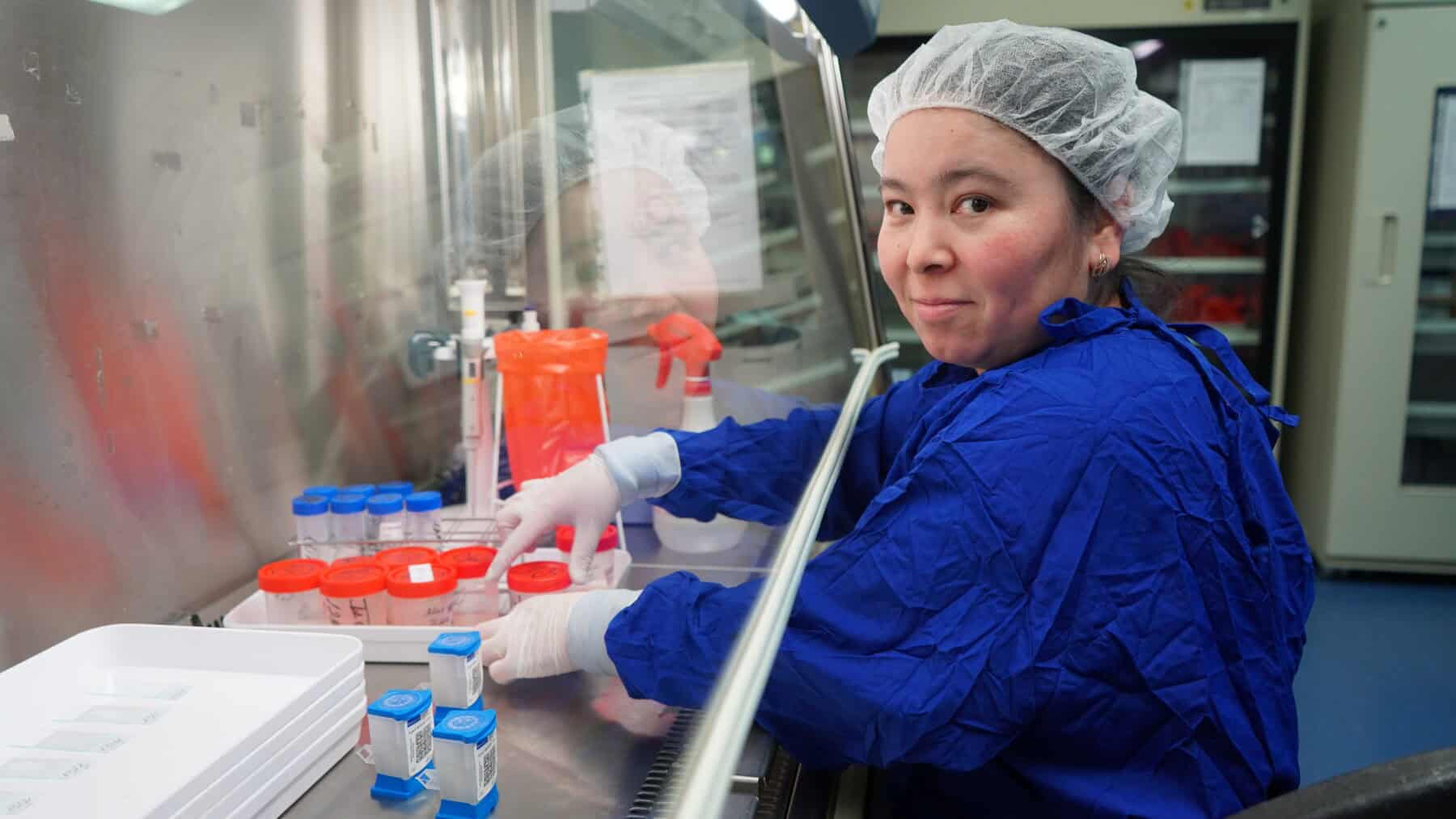
Laboratory specialist Nurjamal Jakypbekova at the NRL prepares TB specimens for molecular testing inside certified biosafety cabinets. Credit: Aibek Chakiev.
The NRL’s ISO 15189 accreditation positions the Kyrgyz Republic as a regional leader in laboratory quality assurance and a hub for TB diagnostics in Central Asia. By setting a new standard for laboratory excellence, the NRL is paving the way for other countries to follow suit, enhancing early detection, improving treatment outcomes, and ultimately saving lives.
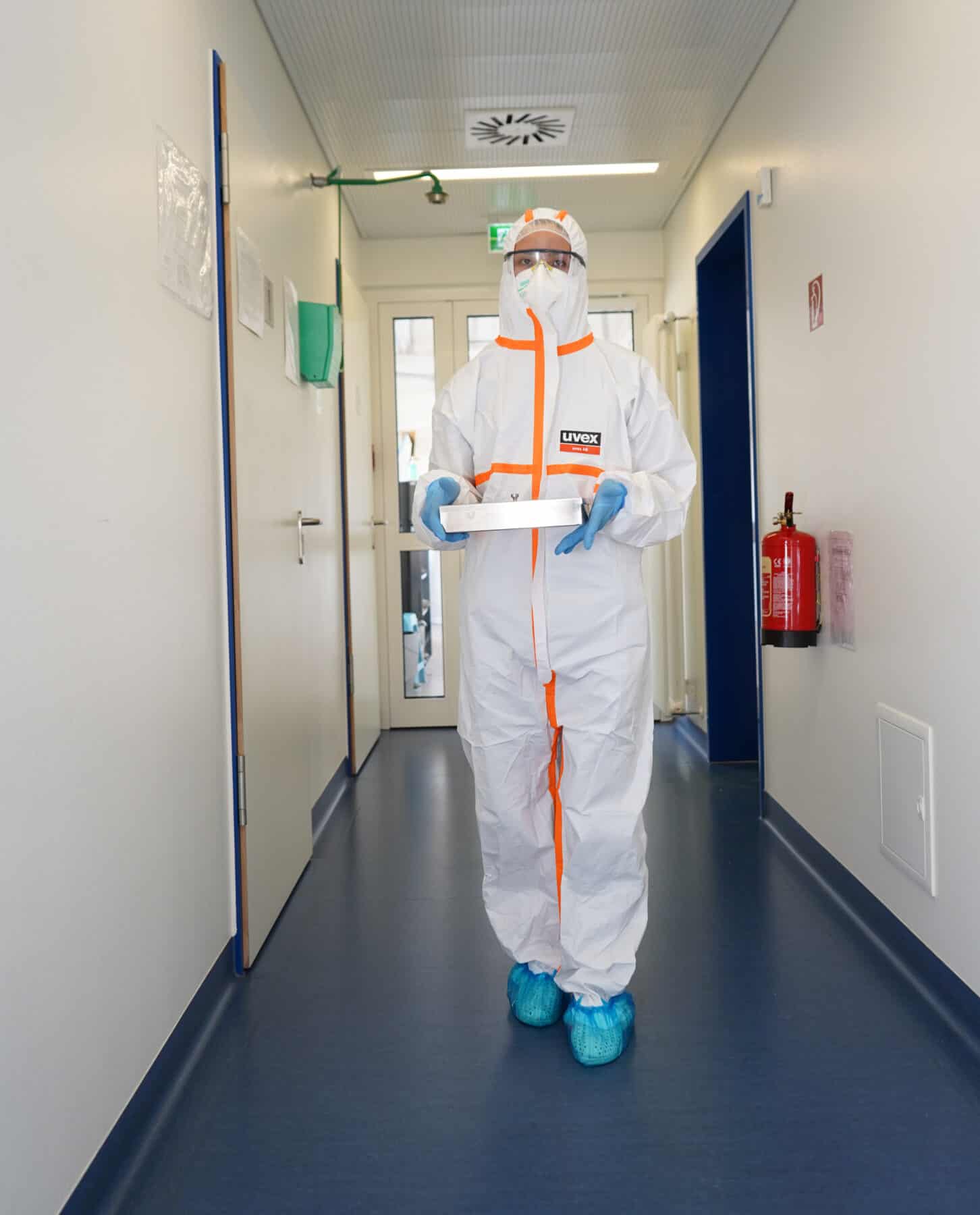
A laboratory professional in full protective gear transports COVID-19 samples for testing at the NRL. In 2020, NRL was tasked with conducting COVID-19 testing along with TB, working day and night shifts for a year. Credit: Aibek Chakiev.
The NRL’s ISO accreditation represents more than a technical milestone—it symbolizes the Kyrgyz Republic’s commitment to quality-assured, data-driven, person-centered health systems. By investing in laboratory quality, digital innovation, and human capacity, the Kyrgyz Republic is not only strengthening its national TB response but also contributing to regional and global health security.
For too long, health supply chains have been treated as...

A national commitment to the future of our youth is...