Digital Technology in the Hands of Local Heroes Creates Better Health Outcomes for Children
story

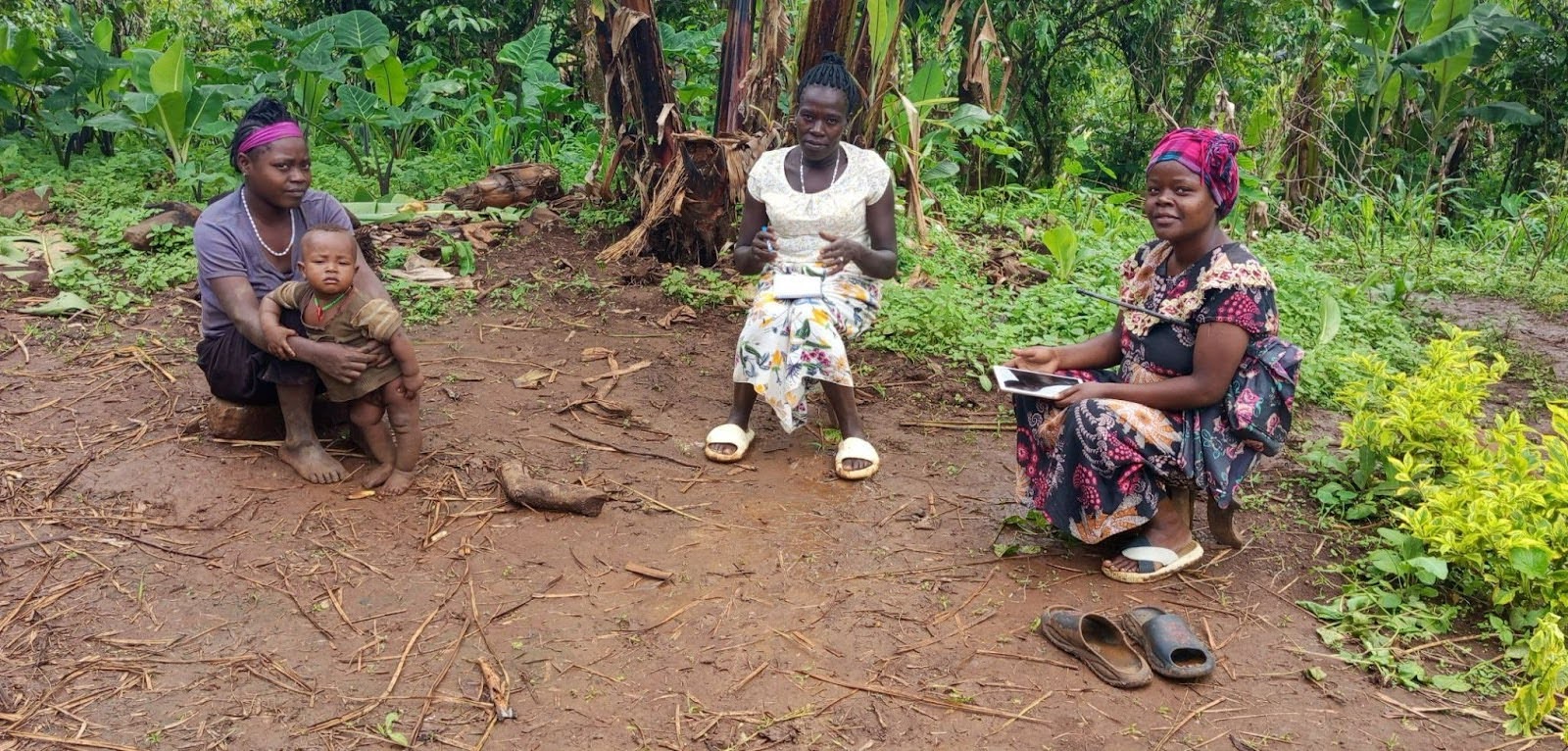
A village health leader and a health extension worker visit 17-month-old Asmamaw Tariku and his mother in South Ari, South Ethiopia.
In Ethiopia, an estimated 2.9 million children were classified as zero-dose: children who had never received a single life-saving vaccine. For 17-month-old Asmamaw Tariku in the remote South Ari woreda (district), this statistic was a personal vulnerability, one shared by countless families facing similar barriers. In recent years, national immunization coverage dipped critically, with the drop in coverage particularly pronounced in conflict-affected areas. Misconceptions about the vaccine and access issues, widespread in rural settings, deepened the widening gap in immunization coverage. Multifaceted interventions—such as policy shifts, data to identify zero-dose children, and community mobilization—were needed.
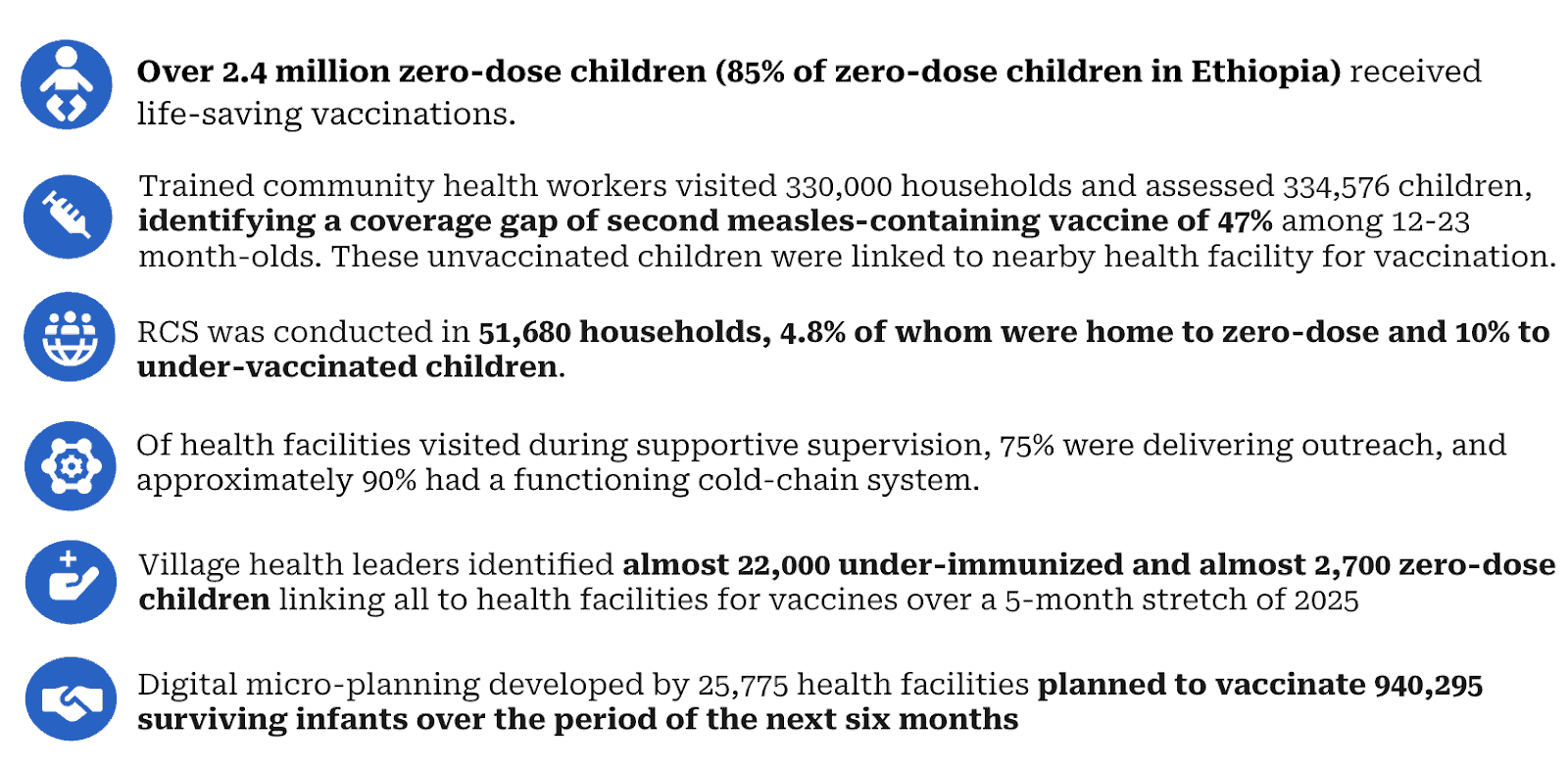
In 2023, Ethiopia launched the “Big Catch-Up” campaign to identify and vaccinate at least 85% zero-dose children in the country. JSI provided critical support in several areas:
Policy: Sustainable progress depends on clear national direction backed by strong sub-national ownership. JSI technical advisors assisted Ethiopia’s Ministry of Health and regional health bureaus in drafting catch-up guidelines and operational plans tailored to Ethiopia’s diverse contexts, ranging from urban slums, remote rural and conflict-affected areas.
Capacity Strengthening: Together with Ethiopia’s Ministry of Health, JSI equipped health workers and health extension workers with the skills needed to identify zero-dose and under-vaccinated children, provide counseling and vaccination, and improve documentation. Digital tools were used to track the progress and to conduct supportive supervision.
Supply Chain: JSI supported facilities to monitor vaccine availability, forecast future needs, and reduce stockouts. Our cold chain experts repaired refrigerators, updated temperature control tech, guaranteeing that vaccines arrived potent and safe for use.
Digitally Enabled Monitoring and Evaluation: JSI and the Ministry of Health monitored catch-up performance by enhancing routine reporting, creating visual dashboards, and holding continuous feedback sessions in regions. In addition, we supported the MOH to digitize rapid community surveys (RCSs), e-surveys to determine the presence or absence of zero-dose children within a given community. RCS data enabled targeted outreach, allowing underimmunized communities to be identified and linked to health facilities.
We strive to build lasting relationships to produce better health and education outcomes for all.