Transforming Last-Mile Health Care through Data Use
story

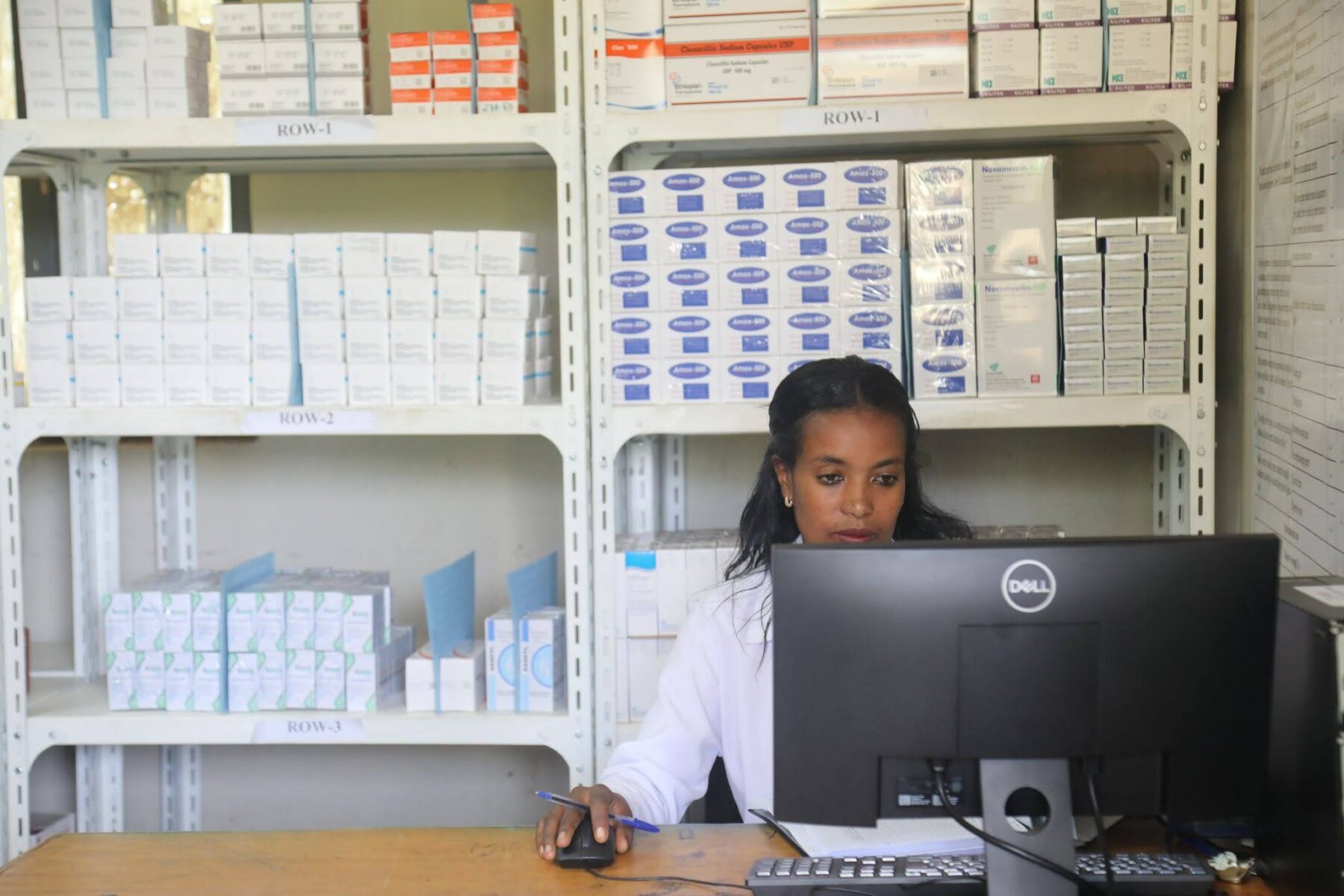
Ayenalem Reta, Store head at Biyo Health Center. Credit: JSI Ethiopia
A health system is only as strong as its ability to deliver life-saving commodities to the point of care. Historically, “last mile” facilities in Ethiopia struggled with fragmented data, low skill in data use, and high product wastage rates, leading to limited medical product availability in primary health settings.
In March 2025, JSI’s Strengthening Service Delivery (SSD) project, working with inSupply Health and in collaboration with Ethiopia’s Ministry of Health, launched the Pharmacy Performance Monitoring Team (pPMT) initiative in Sidama, Oromia, and Somali regions. The pPMT was established to enhance supply chain data quality and performance through consistent reviews, proactive problem identification, and timely intervention.
The pPMT, a five-person multidisciplinary team composed of the head of pharmacy, the pharmacy store manager, the maternal and child Health focal person, the health information technologist, and the health site supervisor, was launched in 11 pilot facilities. The team uses a structured data review system wherein they collectively review key performance Indicators, such as essential medicine availability, stock status, inventory accuracy rate, and wastage rates monthly. They use data visualization like fishbone diagrams to find specific answers to stock availability issues (e.g., was it a transport delay or a recording error?). Once specific gaps are identified, the pPMT team proposes solutions, ranging from inventory accuracy checks using Lot Quality Assurance Sampling to routine stock status reviews.
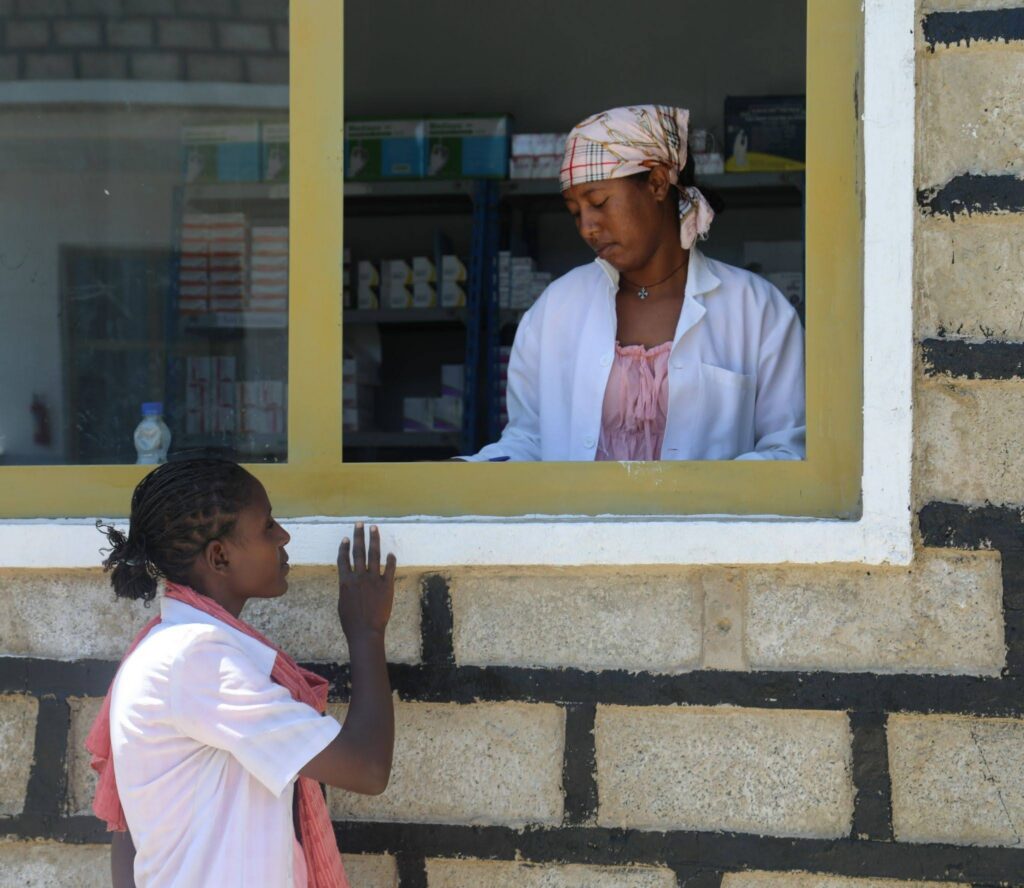
A pharmacy at Bika comprehensive health post. Credit: JSI Ethiopia
Before pPMT, the Biyo Health Center in Oromia faced significant challenges, including limited stock status data, affecting product availability. The pPMT team proposed a rigorous monthly inventory exercise and exchange of health commodities among Biyo and other nearby health centers. In the past year, Biyo has nearly eliminated essential health commodity understocking through a total of 27 stock transfers.
In my first two visits, I was told to find my medicines elsewhere. Now, there is no queue, the service is swift, and I am given the medicines I was prescribed,” Chaltu Regaasa, a patient at the center, remarks on the difference in care at Biyo
Early pilot results are encouraging. In Lume woreda, home to six pilot sites and 34 health posts, reporting rates of health post commodity stock and resupply orders surged from 21% to 82%, and good storage practice scores rose to 95% from 84%. Inventory accuracy, which helped Biyo drive commodity transfers, climbed from 73% to 95%. This progress underscores the transformative power of institutionalizing a regular data-use culture to drive supply chain performance.
As stockouts became rare and waiting times in pharmacy departments decreased, facilities saw a consistent upward trend in patient satisfaction scores. The success of the pilot demonstrates that when pharmacy staff are empowered with a structured performance management framework and staff time devoted to supply analysis, they can reliably meet the needs of their communities.
We strive to build lasting relationships to produce better health and education outcomes for all.