Preparing for the Next Pandemic, Operationalizing Global Health Security: From Preparedness to Action
viewpoint

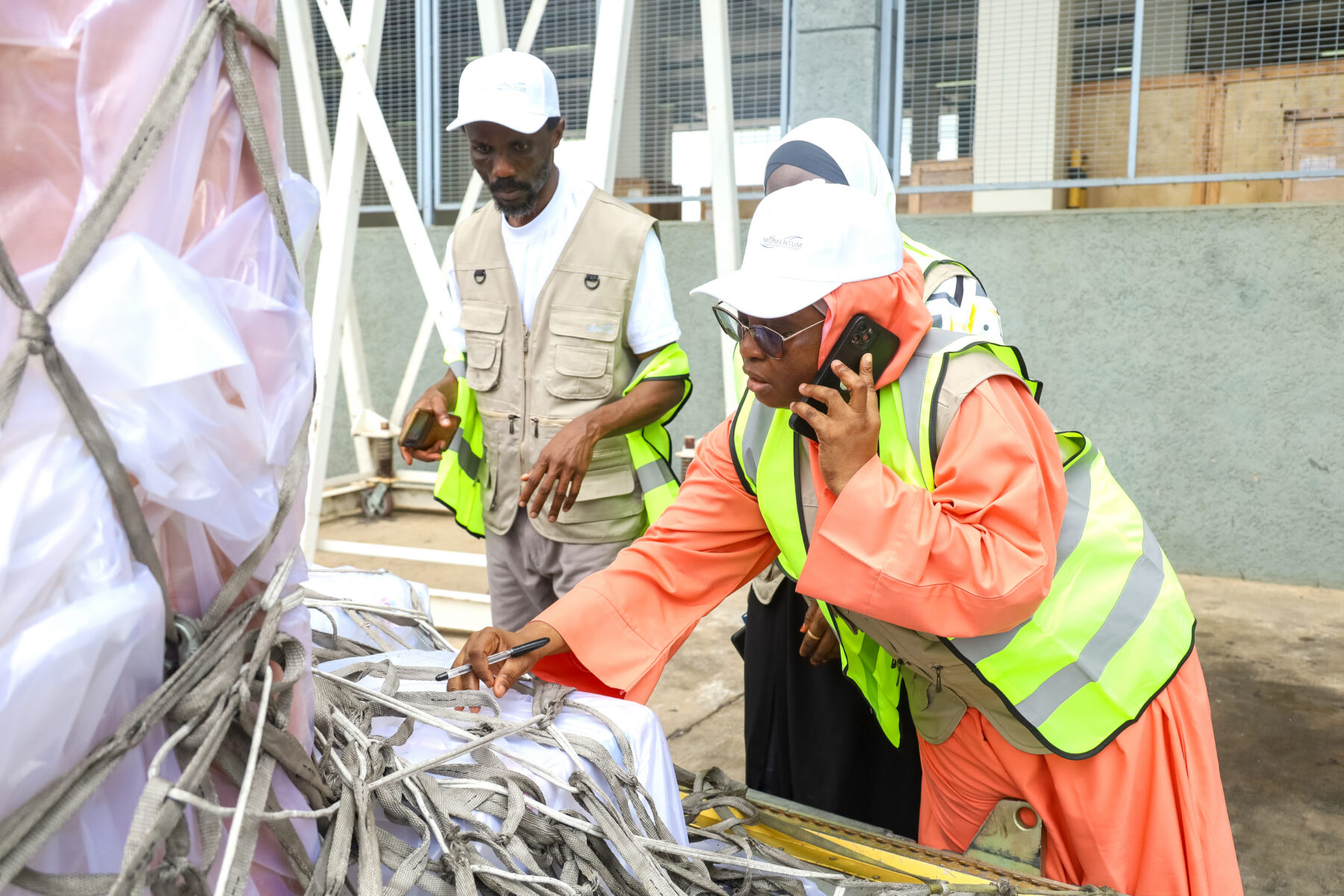
Khadijah Ibrahim Nuhu, senior advisor for JSI, welcomes the delivery of 10,000 Mpox vaccines alongside partners at the Abuja, Nnamdi Azikiwe International Airport in Nigeria during the outbreak in 2024.
Over the past decade, the global health community has invested billions of dollars in pandemic preparedness, leading to important progress across many countries. Investments have supported the development of national preparedness plans, expanded surveillance systems, strengthened laboratory networks, and established emergency coordination platforms that have improved countries’ ability to detect and respond to health threats. However, recent outbreaks have also highlighted persistent operational challenges, including delayed detection, fragmented coordination, and slow response, underscoring the need to strengthen the functionality of these systems in real-world emergencies.
Global frameworks, including the International Health Regulations and the Global Health Security Agenda, have helped define what strong preparedness systems should look like. More recently, operational benchmarks such as the 7-1-7 target have pushed the field to think not only about capacity, but also about speed—detecting outbreaks within seven days, notifying authorities within one day, and initiating response within seven days. However, emerging evidence suggests that many countries still struggle to meet these timelines, with detection and response delays often extending beyond recommended thresholds.
In many settings, the building blocks of health security exist—trained workforce, surveillance platforms, laboratory capacity, emergency coordination mechanisms, sustainable financing, and national preparedness strategies. Often, these are formalized through national action plans for health security and related national frameworks. But when an outbreak begins, these systems do not always function together as intended. Early warning signals may not trigger rapid decision-making. Surveillance and laboratory data may not move efficiently across sectors, and response mechanisms may take days or weeks to fully activate. This challenge is particularly important in the context of zoonotic disease outbreaks, where surveillance and response systems across human, animal, and environmental sectors often remain disconnected. So, while preparedness strategies exist, they are often not translated into comprehensive operational plans that define how systems should function during an emergency. Critical components are frequently implemented in a fragmented or piecemeal manner, limiting their ability to support timely and coordinated actions.
The challenge facing global health security today is not simply building preparedness systems—it is ensuring that those systems function effectively under real-world outbreak conditions.
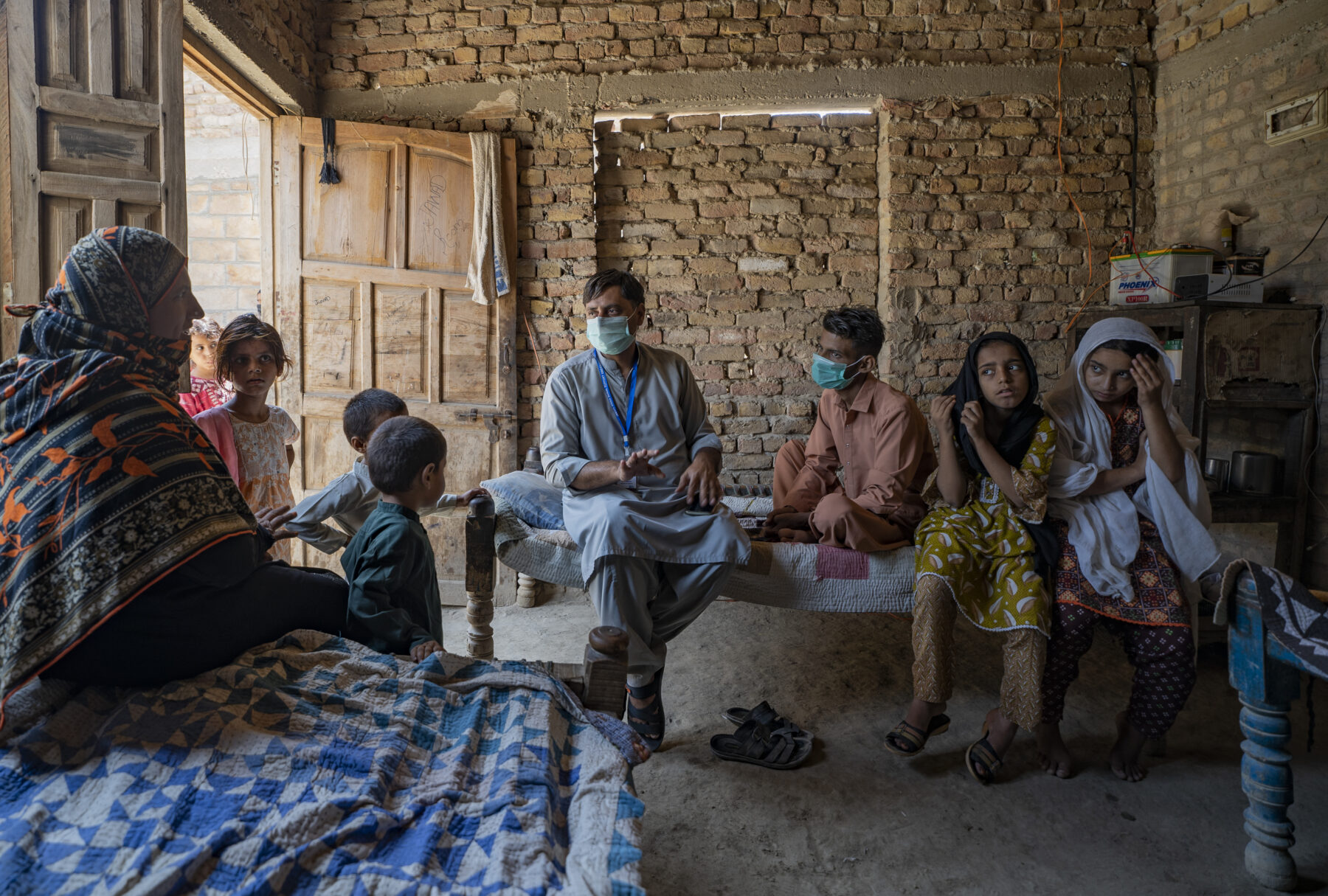
JSI staff counsels a TB index case and family during a household visit in Sindh, Pakistan.
Operational readiness focuses on whether preparedness systems can detect threats early, coordinate decisions quickly, and mobilize response measures effectively when an emergency unfolds. Rather than building new structures, operational readiness activates and integrates systems that already exist. It requires clearly defined operational plans that translate preparedness into action, detailing roles and responsibilities, logistics, financing, workforce deployment, and technology platforms to ensure systems operate cohesively during emergencies.
Several countries have demonstrated what this looks like in practice. Nigeria’s rapid containment of Ebola in 2014 showed how emergency coordination systems can mobilize a response quickly. Uganda’s repeated Ebola responses demonstrate the value of surveillance and response systems that can be activated rapidly under pressure. Vietnam’s experience with avian influenza highlights how multisector coordination can strengthen early detection and prevention.
These examples illustrate a broader lesson: preparedness systems deliver results when they are operationalized, connected, and tested before a crisis begins. Bridging this gap requires a shift from how preparedness is designed to how it is operationalized in practice.
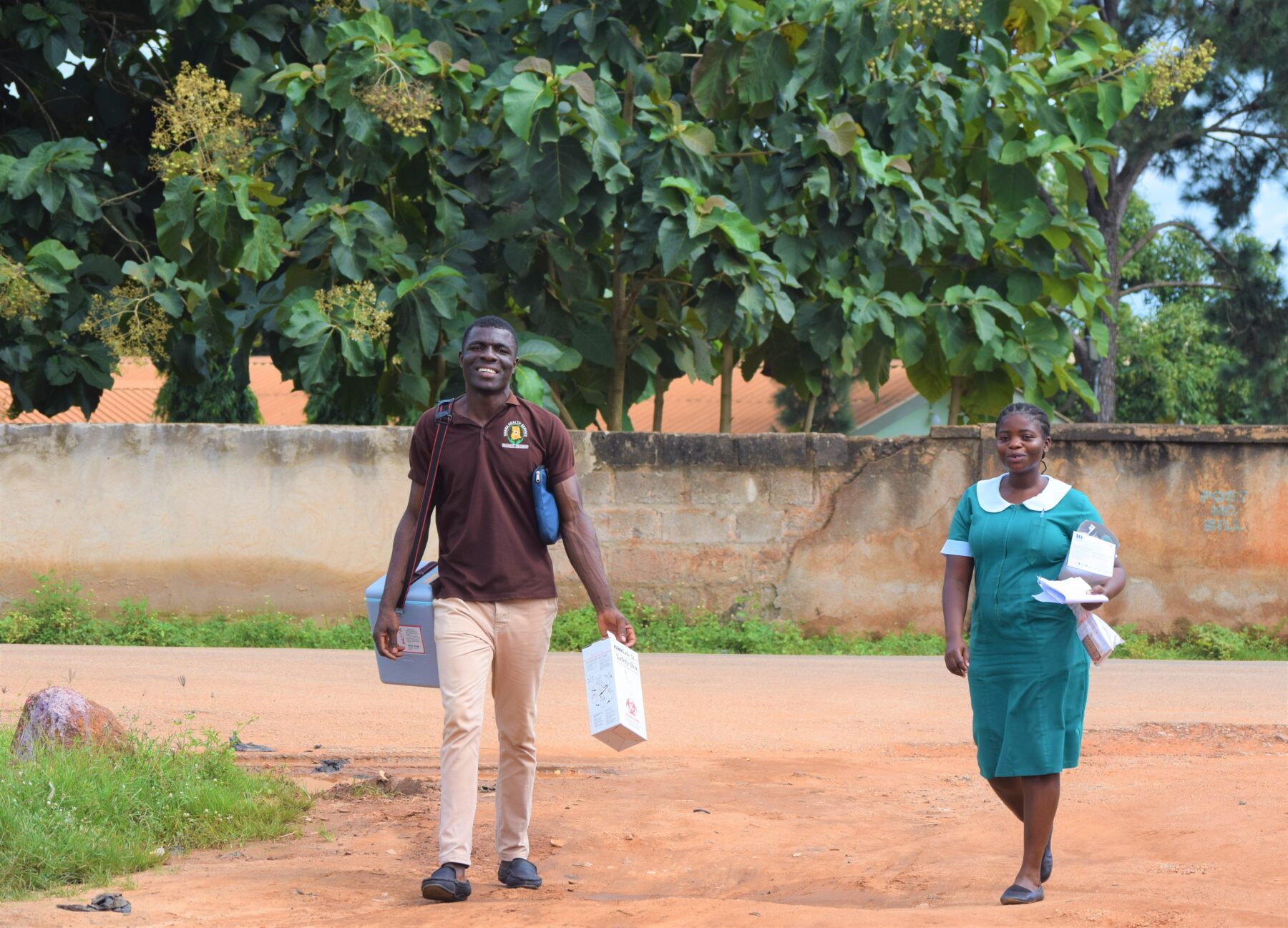
Health care workers from Goaso Municipal Hospital, Ghana, Eric Ose (left) and Anita Boateng (right), embarking on a house to house campaign to vaccinate eligible people against COVID-19 at the height of the pandemic.
1. Move from capacity building to system activation.
Over the past decade, investments have focused on building surveillance platforms, laboratory infrastructure, and preparedness plans. But many of these capabilities operate in silos. Operational readiness requires connecting them into functioning detection and response pathways that can activate rapidly when an outbreak signal emerges. This includes strengthening integration between laboratory and surveillance data systems to enable real-time information flow, improving timeliness of detection, notification, and response. As highlighted by the Global Preparedness Monitoring Board, preparedness efforts often fall short not because systems do not exist, but because they are not sufficiently operationalized during emergencies.
2. Countries and partners should prioritize operational readiness approaches that activate and integrate existing systems.
Global health initiatives are shifting from measuring preparedness through static capacities and plans towards assessing whether systems can deliver timely action during real events. The 7-1-7 framework reflects this shift by focusing on operational performance and accountability. This emphasizes activating, connecting, and optimizing existing systems to accelerate containment at the source and reinforces the importance of clear decision-making pathways, interoperable data systems, multisectoral coordination, and workforce readiness to move rapidly from detection to action.
3. Institutionalizing emergency coordination enables rapid response.
Effective outbreak response requires clear decision-making and functioning coordination platforms. Public Health Emergency Operations Centers and incident management systems provide the governance architecture necessary for rapid response by enabling real-time coordination, information sharing, and resource mobilization across agencies. Their effectiveness depends not only on infrastructure but also on clearly defined roles and responsibilities, trained personnel, and strong integration with surveillance and laboratory systems.
4. Preparedness systems must be tested in realistic conditions.
Simulation exercises, after-action reviews, and operational drills are essential tools for identifying weaknesses in detection, coordination, and response systems before real emergencies occur. The WHO International Health Regulations monitoring framework encourages countries to use these tools to validate preparedness systems and identify operational gaps before crises emerge.
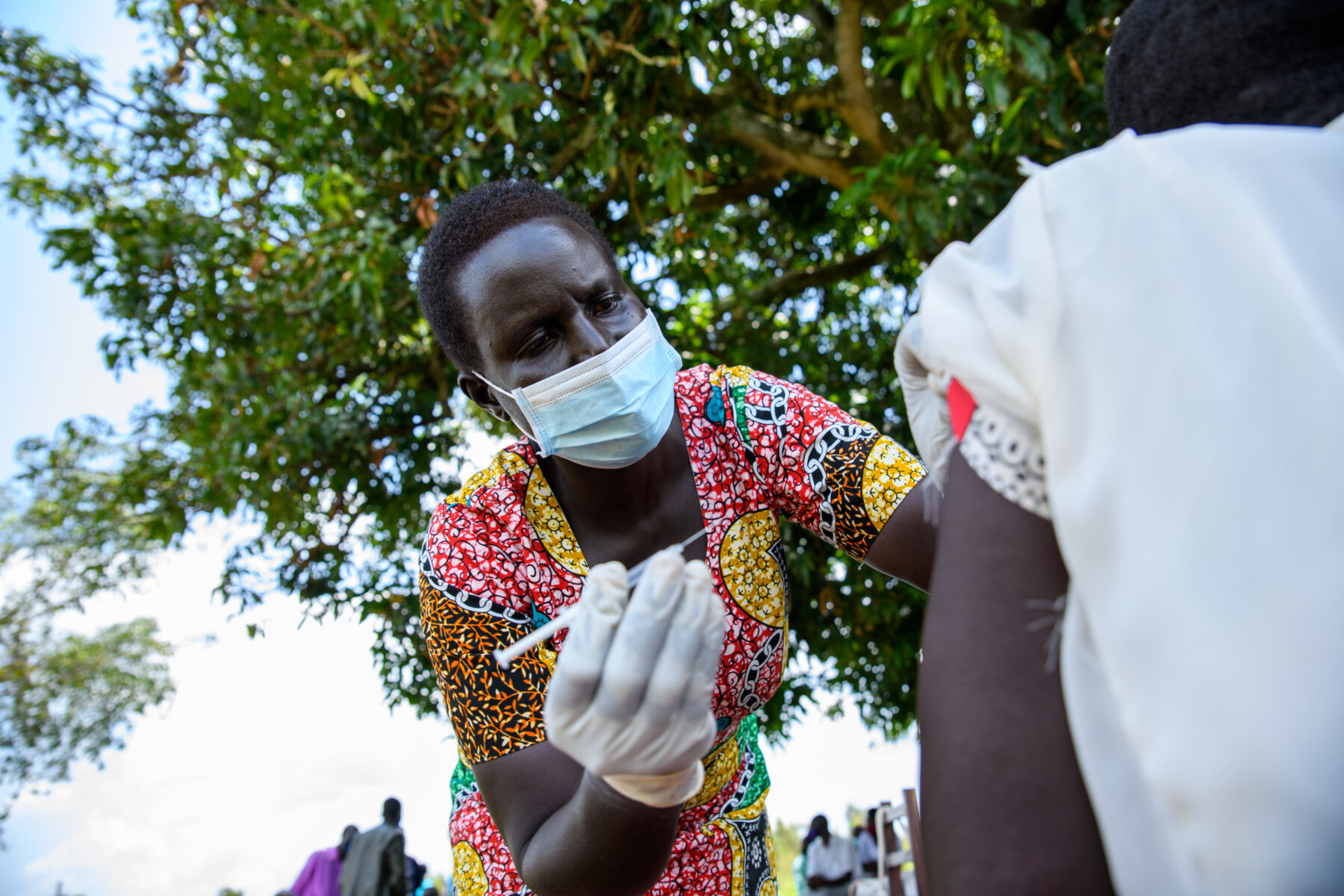
Health care worker conducts a community vaccination for COVID-19 in Uganda during the height of the pandemic.
Ultimately, preparedness is not tested in policy documents or strategic plans. It is tested when the first signals of an outbreak appear, and decisions must be made quickly. The next phase of global health security must therefore focus on ensuring that preparedness systems are able to perform under those conditions. This requires moving beyond preparedness as a set of plans towards preparedness as an operational system – integrated, adequately resourced, clearly governed, and continuously tested to deliver timely and effective outbreak response.
Over the coming months, this article series on operationalizing global health security will explore three core pillars that underpin effective outbreak management: preventing outbreaks where possible, detecting threats early when they occur, and responding rapidly to contain them. Published on JSI’s website, this series will draw on implementation experience from multiple countries to examine practical approaches that help translate preparedness frameworks into functioning systems capable of protecting populations and maintaining stability during health emergencies.
The future of global health security will not be defined by new plans or frameworks, but by whether existing systems can act—quickly, coherently, and at scale—when the next outbreak begins.
We strive to build lasting relationships to produce better health and education outcomes for all.